Vacuuming Up Polishing Dust – Stationary and Mobile Solutions

Capture dust immediately. Protect surfaces. Keep work areas clean.

Capture polishing dust and abrasion particles right where they are generated

When polishing metal, plastic, painted, and composite surfaces, fine particles are generated from the workpiece, the polishing compound, and the polishing wheel. The composition, amount of dust, and potential fire or explosion hazards vary depending on the material and process.

EVOTEC combines source-based collection with a filtration and disposal solution tailored to the type of dust—whether as a stationary process extraction system or as a mobile solution for flexible workstations and safe cleaning.

The benefits of polishing dust extraction:

Data Collection at the Source

Polishing dust is captured as close as possible to the window, hood, or work table before it spreads throughout the work area.

Filtration Suited to the Material

Filtration, pre-separation, and disposal are tailored to the material, polishing agent, dust volume, and material properties.

Stationary or mobile

Permanent workstations are equipped with integrated extraction systems; mobile industrial vacuum cleaners support flexible work and cleaning.

Which extraction system is best suited for the material, polishing machine, and cycle time? Tell us about the materials, polishing agents, workstation, and operating time—we’ll work with you to review the collection system, filtration technology, and safety features.

What kinds of dust are produced during polishing?

Polishing dust is not a homogeneous substance. It may contain abrasives from the workpiece, components of polishing compounds, fibers from the polishing wheel, and residues from coatings. Therefore, material data, the additives used, and the actual operating conditions are all important factors in the design.

Metals and Metal Alloys

Polishing steel, stainless steel, aluminum, or non-ferrous metals produces metal dust of varying fineness. With regard to aluminum, the DGUV expressly points out that grinding, brushing, and polishing can generate flammable dust that, when mixed with air, can create an explosive atmosphere.

Source: DGUV Rule 109-001 – Grinding, Brushing, and Polishing of Aluminum.

Plastics, Paints, and Composite Surfaces

For plastics and coated workpieces, the composition of the dust also depends on fillers, pigments, coatings, and polishing agents. Safety data sheets and manufacturer specifications help identify substance-related hazards and determine appropriate disposal methods.

Effective extraction reduces the spread of respirable and alveolar dust, limits deposits on machinery and workpieces, and helps maintain consistent surface quality. However, whether a dust is harmful to health, flammable, or explosive must be assessed for the specific process.

How can polishing dust be effectively collected?

Data collection is the first key factor. According to the Hazardous Substances Ordinance, dust should be captured as completely as possible at the point of emission or generation. The hood, extraction table, and airflow must therefore be aligned with the direction of rotation of the polishing wheel, the position of the workpiece, and the operator’s movements.

Machine hood and stationary detection

For stationary polishing machines, an integrated detection system located immediately behind or below the disc is usually the most effective solution. A partial enclosure can stabilize the detection area; openings for the workpiece and operator controls must not unnecessarily disrupt the airflow.

Extraction Table and Flexible Collection

When working with workpieces of varying sizes, rear-wall or under-table extraction systems, as well as adjustable capture elements, may be useful. It is crucial that the dust flow does not pass through the breathing zone and that cross-currents do not interfere with the capture process.

Which filtration technology is best suited for polishing dust?

Filtration technology and equipment design are based on the risk assessment. A blanket requirement for dust class H or EX protection is technically incorrect. The selection and design depend on the type of dust, concentration, particle size, dust volume, flammability, and disposal.

Pre-filtration and Main Filter

In cases of high dust accumulation, pre-filters or separation chambers can reduce the load on the main filter. The filter area, filter material, and cleaning method must be appropriate for the load. The dust class of the entire unit must be distinguished from a single filter classification.

Cleaning and Continuous Operation

For continuous processes, cleanable filters and monitored differential pressure monitoring may be beneficial. Compressed air supply, filter replacement, and low-dust discharge should be included in the design from the outset—not just as part of maintenance.

Sparks, Combustible Dusts, and Wet Separation

In the case of flammable metal dusts or the potential presence of sparks, a separate fire and explosion protection plan is required. It is not possible to determine in general terms whether dry or wet separation is appropriate; the decisive factors are material properties, safe operating procedures, and manufacturer approvals.

Collection, Exchange, and Disposal

The container size, emptying interval, and replacement procedure must be appropriate for the amount of dust and the associated hazards. For problematic dusts, low-dust collection systems or Longopac solutions may be appropriate. Vacuumed-up materials must not be mixed together without first being inspected.

Extraction system suitable for the polishing process

Manual Polishing

When working with hand-held workpieces, the direction of emissions changes constantly. The extraction hood, working height, and airflow must be designed so that dust is reliably drawn into the extraction system despite the movement.

Automated Polishing Cells

Enclosed or partially enclosed cells allow for controlled airflow. For multiple stations, active sampling points, the ductwork network, filter loading, and the connection to the machine control system must all be taken into account simultaneously.

Finishing on Plastics and Paint

Fine surfaces require a low-dust environment. The material, coating, and polishing compound all affect both emissions and the choice of filter. Residue on workpieces and in the surrounding area should not be stirred up by compressed air.

Cleaning the Machine and Surrounding Area

For regular cleaning, mobile industrial vacuum cleaners are suitable, provided their design is appropriate for the type of dust. Dry sweeping or blowing disperses Fine Dust again and is not suitable as a standard cleaning method.

Related Processes: If dust is generated during grinding or deburring, the extraction system must be considered across all processes. For more information, see “Extraction of Grinding Dust ” and “Explosion-Proof Extraction.”

What information do we need for the design?

The required operating point is determined based on the data collected and the transmission network. The air volume and negative pressure at the actual connected system are critical. A maximum flow rate specified in isolation is not sufficient for selection purposes.

Materials and Processes

  • Materials, alloys, coatings, and known hazardous substances
  • Polishing Machine, Disc Type, Polishing Compound, and Rotational Speed
  • Dust volume, particle behavior, moisture content, and potential spark ingress
  • Manual single-station operation or automated, simultaneously operated stations

Data Collection and Operations

  • Hood geometry, fume hood, connection diameter, and duct routing
  • Shift operations, desired cleaning, and filter replacement
  • Low-dust collection, emptying, and intended disposal method
  • Fire and Explosion Protection, Grounding, Machine Authorization, and Fault Signaling

Avoiding Common Mistakes: A hood that is too far away, additional unplanned hose lengths, or a change in material can affect detection and safety design. Changes to the process therefore require a new review.

Which solution is right for your polishing workstation?

Photos or a sketch of the workstation, material specifications, and information about polishing agents and operating time enable a reliable preliminary selection.

Safety: Evaluate health, fire, and explosion protection separately

Not all polishing dust requires the same class of equipment. The hazard assessment must take into account the properties of the substance, exposure, potential ignition sources, and reactions between extracted materials. The Hazardous Substances Regulation requires effective extraction at the source, to the extent that this is feasible according to the state of the art.

Aluminum dust can form explosive dust-air mixtures. ATEX or ESD equipment is therefore only suitable if it is certified for the specific substance, zone, and operating conditions. It does not replace an assessment of the entire process or measures to prevent sparks or hazardous mixtures.

The selection process is based on the workplace hazard assessment, substance data, and the manufacturer’s specifications. BAuA: Guidelines on Hazardous Substances and Dust-Exposure Workplaces.

Stationary extraction solutions for polishing machines and polishing cells

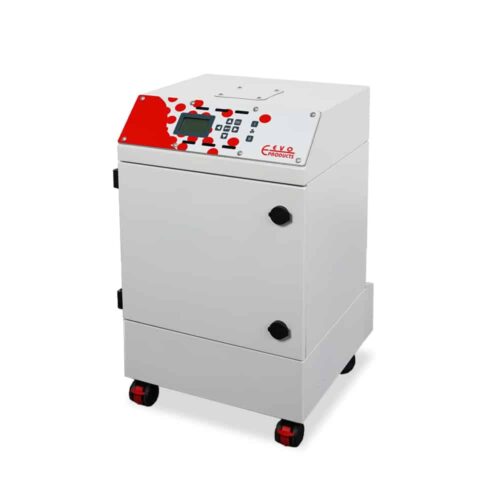
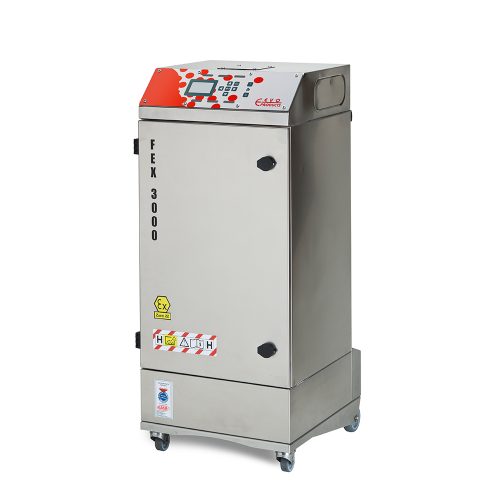
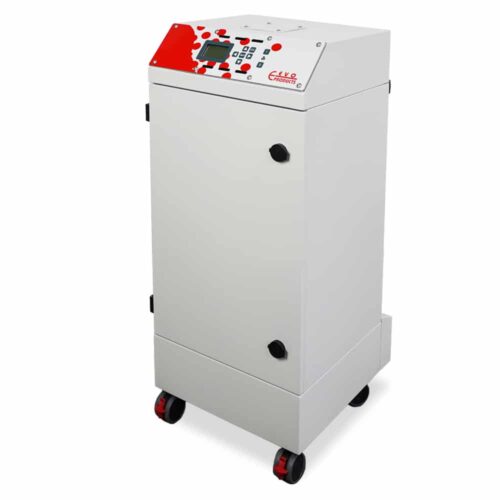
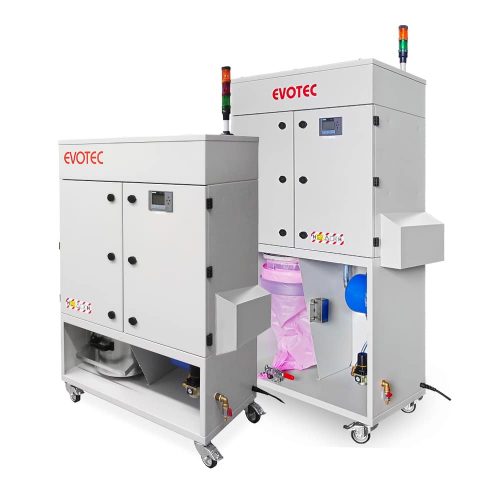
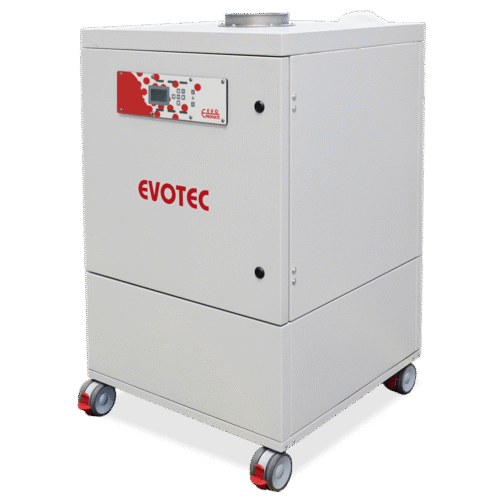
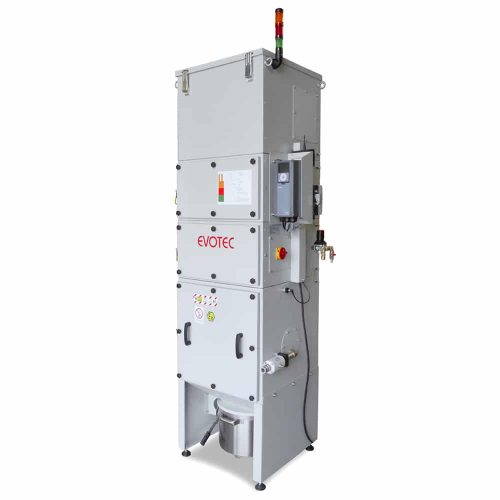
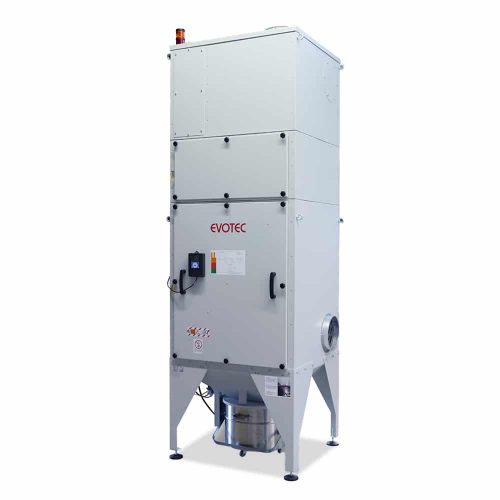
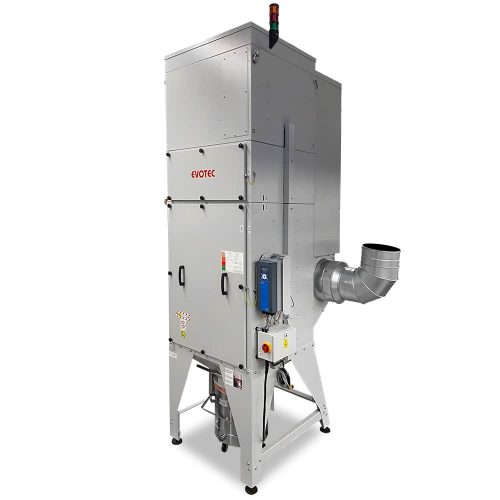
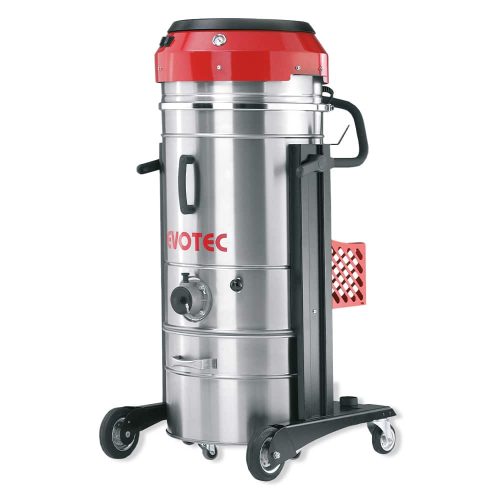
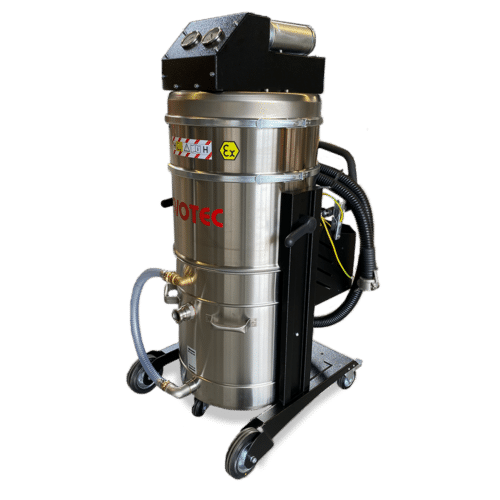
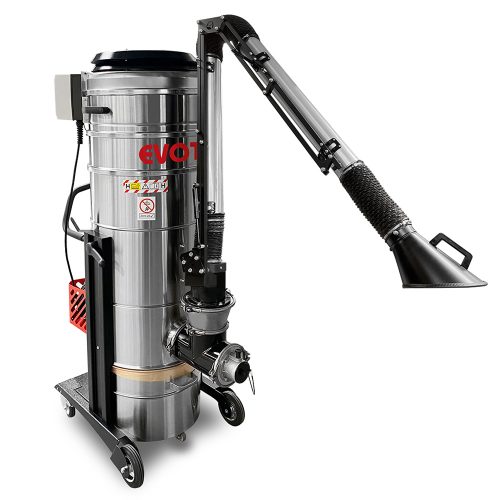
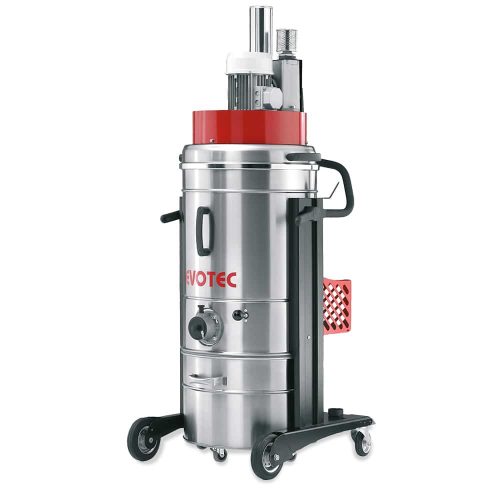
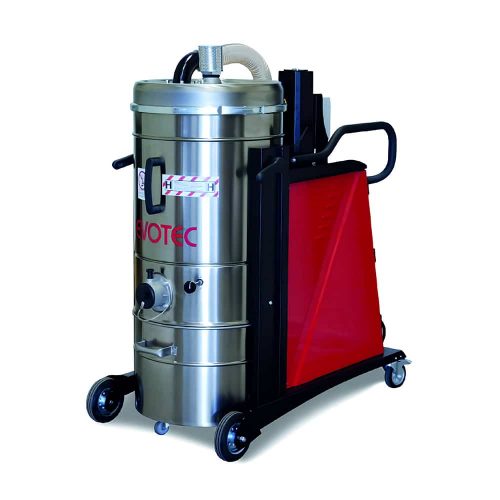
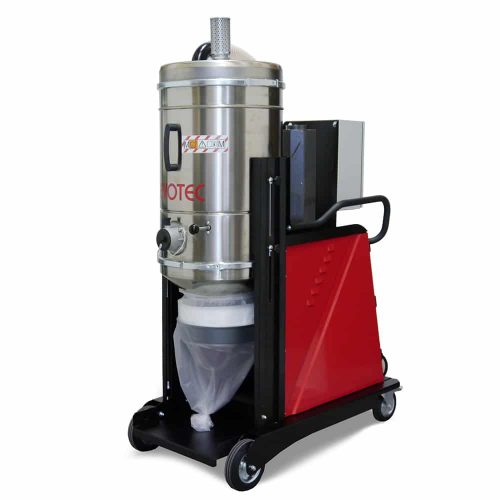
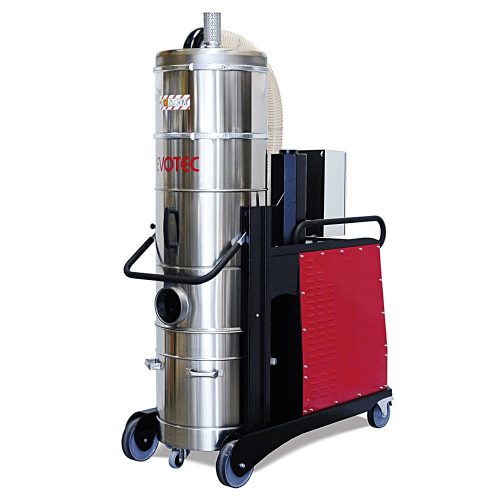
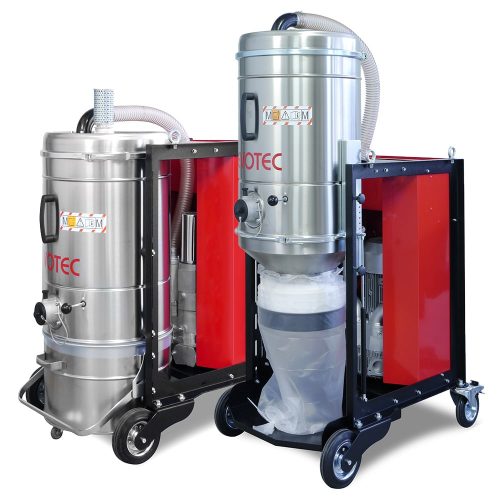
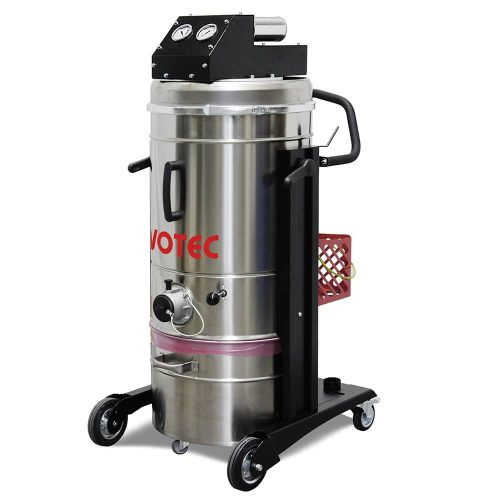
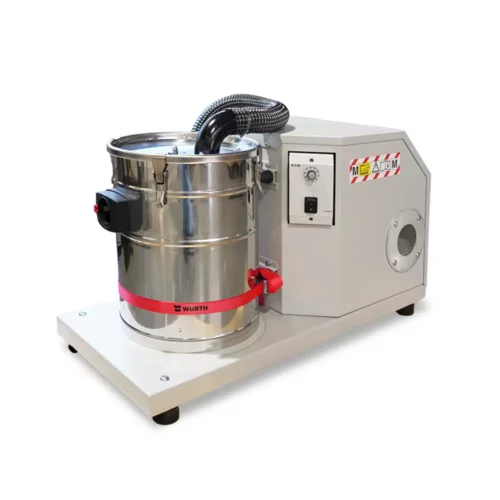
For polishing machines, extraction tables, and automated cells that operate continuously, stationary EVOTEC systems offer high airflow rates, larger filter areas, and a fixed machine connection. The series shown here are a preliminary selection; filters, cleaning systems, and safety features are customized to the specific process.

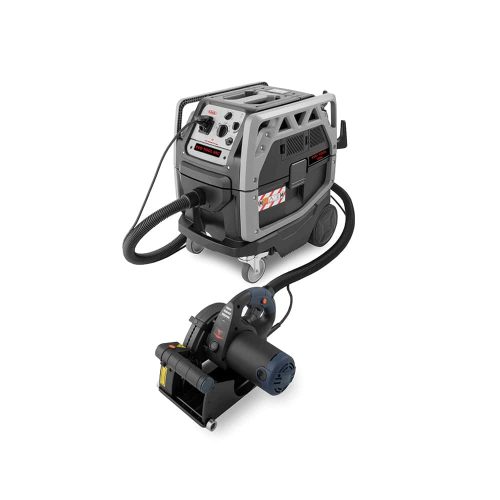
Mobile industrial vacuum cleaners for flexible polishing and cleaning tasks

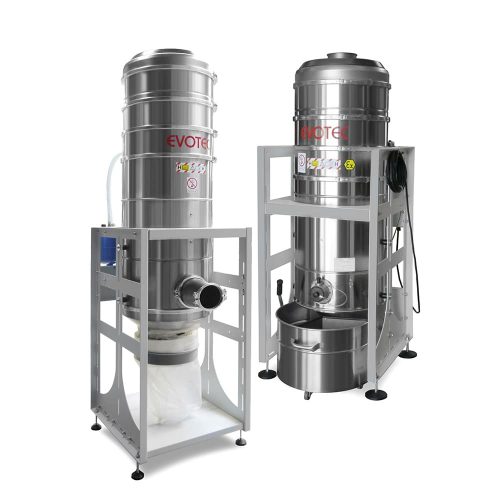
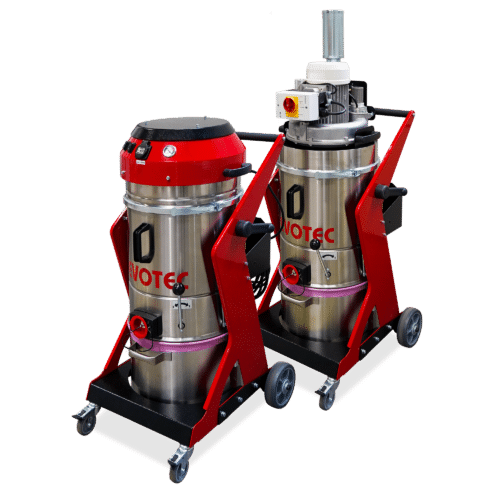
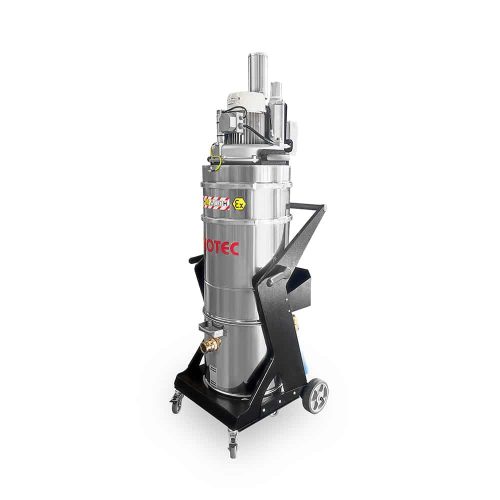
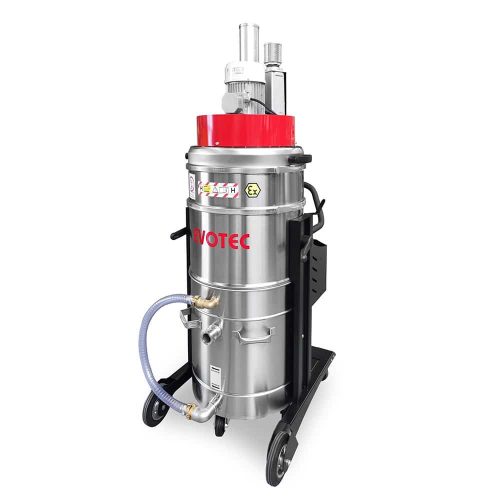
Mobile EVOTEC industrial vacuum cleaners are available for use in changing workstations, for hand-held operations, and for cleaning. The selection depends on the type of dust, the required vacuum pressure, the container design, and the necessary equipment or EX version.

Frequently Asked Questions About Polishing Dust Extraction (FAQ)

What type of extraction system is suitable for polishing work?

The solution depends on the material, polishing agent, amount of dust, collection geometry, and operating time. Collection close to the source is crucial; the filter and safety configurations are then selected based on the specific material.

For flexible workstations and cleaning, a suitable mobile industrial vacuum cleaner may be sufficient. For continuous polishing, high dust levels, or multiple workstations, a stationary process extraction system is often the more robust solution.

Stationary systems are particularly well-suited for fixed polishing machines, extraction tables, automated cells, and multiple simultaneous collection points. They can be tailored to the piping network, continuous operation, cleaning, and machine control.

There is no single filter class that is universally appropriate for all types of polishing dust. The required equipment and filter design depend on the properties of the material and the risk assessment. An H or H14 filter is not automatically required for every process.

That depends on the material. Combustible dusts, particularly certain metal dusts such as aluminum, can form explosive mixtures. Whether explosion protection is necessary must be assessed based on material data, dust concentration, ignition sources, and operating conditions.

EVO-PRODUCTS

Your partner for industrial extraction solutions

EVOTEC develops extraction systems and industrial vacuum cleaners for industrial applications and produces not only production-ready units but also custom solutions tailored to specific applications. Our systems are designed for process reliability, durability, and individual requirements.

Years of experience
1 +
Developed models
1 +
Satisfied customers
1 +
MADE IN GERMANY
1 %
1
Analysis of the Situation
Consultation Meeting to Determine Customer-Specific Requirements
2
Concept Development
Joint development of potential solutions and formulation of an exhaust system concept, taking into account the existing infrastructure
3
Quotation Preparation
Detailed quotation based on specific customer requirements
4
Placing an Order
Final Project Planning and Contractual Arrangements
5
Production
Custom manufacturing of systems and components
6
Delivery, Installation, &
Commissioning
Safe delivery of the system, installation by EVO-PRODUCTS technicians, or detailed assembly instructions for customer installation
7
Training, After-Sales &
Maintenance
Equipment-specific training, optional maintenance contracts & services
document.addEventListener('DOMContentLoaded', function () { const mediaQuery = window.matchMedia('(max-width: 1439px)'); let observer = null; function initMobileTimeline() { const steps = document.querySelectorAll('.evo-step'); if (!steps.length) return; if (observer) { observer.disconnect(); observer = null; } steps.forEach(step => step.classList.remove('is-active')); if (!mediaQuery.matches) return; observer = new IntersectionObserver((entries) => { entries.forEach(entry => { if (entry.isIntersecting) { steps.forEach(step => step.classList.remove('is-active')); entry.target.classList.add('is-active'); } }); }, { root: null, rootMargin: '-35% 0px -35% 0px', threshold: 0.2 }); steps.forEach(step => observer.observe(step)); } initMobileTimeline(); window.addEventListener('resize', initMobileTimeline); });

Which polishing dust extraction system is right for your process?

Please let us know the material, polishing agent, polishing machine, operating time, and desired monitoring specifications. EVOTEC will assist you in selecting stationary or mobile extraction systems, filter configurations, and safety features.

Robin-graust..jpg

Robin Buschbaum
Sales D/A/CH
Specialist for extraction technology
vertrieb@evo-products.de
02642 9373-53

asim-03.jpg

Asim Zaman-Pahlke
Export Sales
export@evo-products.de
02642/9373-15

Scroll to Top