


Exhaust Technology for Electronics and Semiconductor Manufacturing – Targeted Capture of Emissions
Home page » Electronics
Extraction Technology for Electronics, Printed Circuit Board, and Chip Manufacturing—Tailored to the Process, Materials, and Cleanliness Requirements
From printed circuit board assembly to panel cutting, drilling, and milling, all the way to wafer processing, chip assembly, and marking, a wide variety of emissions are generated: solder fumes, resin and glass fiber dust, ultrafine particles, laser fumes, and vapors from fluxes, cleaners, coatings, or adhesives.
EVOTEC tailors the capture system, airflow capacity, filter stages, and system integration to the specific manufacturing step. Mechanical particle processes are clearly separated from chemical semiconductor processes, which may require specialized process exhaust, gas monitoring, or exhaust gas purification systems.
Your advantages in electronics and semiconductor manufacturing:
Measuring Emissions Directly at the Process Site
Solder fumes, milling dust, fibers, and laser fumes are captured at the solder joint, tool, enclosure, or machine connection.
Protecting Components, Machinery, and the Process Environment
Fewer deposits on components, optics, sensors, and equipment help ensure consistent quality and controlled cleanliness.
Distinguish Between Stationary Processes and Mobile Cleaning
Blank separators, production lines, and processing machines are connected to fixed stations; mobile solutions support maintenance, cleaning, and changing workstations.
Which of your electronics or semiconductor processes generate particles, fumes, or vapors? Please provide us with the material, manufacturing step, enclosure, cycle time, and ESD and cleanliness requirements. We will determine which collection and filtration technology is technically suitable.
What emissions are generated in electronics and chip manufacturing?
Electronics manufacturing involves thermal, mechanical, optical, and chemical processes. Therefore, before designing a system, it is necessary to determine whether solid particles, fume, aerosols, or gaseous substances are present. Filter technology and airflow are determined based on the actual phase of the substance and the risk assessment.
PCB Assembly, Soldering, and Panel Cutting
During manual and machine soldering, soldering fumes are produced from metal and flux components. Panel cutters, milling cutters, saws, and drills can release particles from printed circuit board laminates, resins, glass fibers, and metals. An enclosed, tool-proximate collection system keeps the transport path short and reduces deposits in the machine and work area.
Wafer, Chip, and Semiconductor Processes
Wafer sawing, dicing, grinding, polishing, laser structuring, marking, as well as packaging and post-processing steps can generate extremely fine particles. Photolithography, etching, coating, and deposition, on the other hand, frequently involve the use of solvents, acids, and reactive or toxic gases. These processes require specially designed process exhaust systems, media supply, monitoring, and exhaust gas treatment—standard dust extraction systems are not sufficient.
Classification is based on process data, safety data sheets, and the risk assessment. Official occupational safety and health guidelines for semiconductor manufacturing include, among other things, process containment, local exhaust ventilation, separate exhaust air and waste streams, and gas and leak monitoring. References: OSHA – Semiconductor Device Fabrication.
Where does effective data collection begin?
Emissions are captured as close as possible to their source or point of release. Enclosed machine rooms, encapsulated processing zones, and correctly positioned capture elements reduce carryover air and prevent particles or fumes from entering production or clean areas in the first place.
Soldering Stations, Rework, and Assembly
For manual soldering and rework stations, tip extraction, funnels, or hoods are suitable options; for automated systems, machine connections and enclosures are used. The extraction point must be located close to the soldering site. DGUV Information 213-714 requires extraction at the source for manual lead-containing soldering with a soldering iron.
Blank separators, milling cutters, saws, and wafer dicing
Particles should be captured, if possible, within the enclosure—directly at the tool or at the designated machine connection. Key factors include the machining direction, particle jet, opening areas, negative pressure, and a connection designed for optimal flow. For wet wafer processes or contaminated residues, the media and disposal route must be evaluated separately.
How can emissions from electronics manufacturing processes be reliably captured?
Capture, conveyance, separation, and discharge form an integrated system. Particle size, fiber content, moisture, stickiness, electrical properties, and any gaseous components determine the filter combination. A particle filter cannot replace vapors or process gases.
Process-oriented data acquisition with appropriate geometry
Enclosures and machine connections are usually more effective than distant hoods for dust-generating machining processes. For open soldering stations, the distance and position of the extraction must remain constant. According to TRGS 500, hazardous substances should be captured at the source whenever possible; the airflow rate and geometry must be adapted to the release path.
Particle and Smoke Filtration
Pre-filters, storage filters, or cleanable filters are selected based on the type of particles and the level of contamination. For fine resin, glass fiber, ceramic, silicon, or metal particles, material data, dust load, and the desired clean air quality must be taken into account. Filter class alone does not describe the effectiveness of the entire system.
Vapors, Solvents, and Process Gases
Gaseous components from fluxes, cleaners, adhesives, or coatings are not reliably captured by standard particulate filters. Activated carbon can only be part of a solution for suitable substances and when used for monitored periods. Toxic, reactive, or pyrophoric gases generated during wafer fabrication require dedicated process exhaust and abatement systems.
Purity, Contamination, and Safe Filter Replacement
In sensitive manufacturing areas, product contamination, cross-contamination, and maintenance procedures must be taken into account. Separate material pathways, appropriate collection containers, and low-emission filter and container replacement procedures support controlled processes. Cleanroom compatibility or air recirculation is always validated on a case-by-case basis.
Important: ESD protection, explosion protection, employee protection, and product purity are distinct protection objectives. A system must be designed for the specific emissions and the actual operating range; general statements regarding suitability are not reliable.
Stationary Process Exhaust and Mobile Cleaning
Stationary systems for part separators, production lines, and machining cells
Stationary systems are suitable for continuously operating wafer separators, milling and drilling systems, automated soldering lines, laser systems, wafer dicing, and multiple defined collection points. Airflow, filter condition, and interfaces can be continuously monitored and interlocked with the machine.
Mobile Solutions for Maintenance, Cleaning, and Flexible Workplaces
Mobile vacuum cleaners and extraction units support rework, tool changes, machine cleaning, and operations at different locations. Their suitability depends on the type of particles, dust class, ESD requirements, and potential fire or explosion hazards. They are not a substitute for permanent machine or process extraction systems.
Decentralized or centralized exhaust
Decentralized systems keep different material streams separate and make it easier to assign them to individual machines. Centralized systems can serve multiple similar processes. The concurrency factor, pressure loss, risk of contamination, redundancy, and maintenance access are key factors in determining the appropriate design.
Machine Interfaces, Monitoring, and Process Approval
In automated systems, the exhaust system and the machine must work together. Operational authorization, flow rate or vacuum monitoring, filter status, and error messages are integrated in such a way that data collection is verifiably active during the manufacturing step.
This distinction is crucial: stationary systems monitor emissions during ongoing processes, while mobile devices handle flexible cleaning, maintenance, and rework tasks. Chemical wafer processes also require specialized process exhaust and safety systems.
What does the interpretation depend on?
A reliable design requires information on the manufacturing step, material, type of emissions, particle or substance data, enclosure, cycle time, and operating duration. Equally important are the cleanliness class, ESD concept, desired air recirculation, maintenance access, and machine interfaces.
Materials, Emissions, and Risk Assessment
The materials to be tested include printed circuit board laminates, solders and fluxes, silicon, ceramics, metals, plastics, adhesives, coatings, and cleaning agents. Health hazards, flammability, moisture content, electrical conductivity, and potential reaction products may require different protective measures.
Coverage Geometry, Airflow Capacity, and System Integration
Tool position, opening areas, enclosure, required negative pressure, airflow rate, duct lengths, the simultaneous operation factor, and filter cleaning determine the technical design. For cleanrooms or dry rooms, the air balance and permissible recirculation are coordinated with building services engineering at an early stage.
Before commissioning and on a recurring basis, verify that the capture system, airflow, filter monitoring, and safe disposal are functioning properly under actual operating conditions. Changes to materials, coatings, process parameters, or cycle time may require a reassessment.
Which extraction technology is right for your electronics manufacturing process?
Please provide us with details regarding the PCB or wafer material, manufacturing step, emissions, safety data, machine connections, cycle time, as well as ESD and cleanliness requirements. EVOTEC will use this information to develop a suitable stationary or mobile extraction concept—provided that conventional extraction and filtration technology is suitable for the process.
Distinguishing Between ESD and Explosion Protection Correctly
In electronics manufacturing, ESD protection is primarily used to protect sensitive components from electrostatic discharge. This may require conductive components, grounding, and equipotential bonding. Explosion protection, on the other hand, assesses whether flammable dusts, vapors, or hybrid mixtures can form a hazardous explosive atmosphere.
These two topics may overlap, but they are not the same. Whether a conductive or explosion-proof design is required depends on the ESD zone concept, material properties, release, and risk assessment. Basis: TRGS 720 and TRGS 727.
PROCESS SOLUTIONS
Relevant Exhaust Applications in Electronics and Semiconductor Manufacturing
The following process pages provide detailed information on typical emissions and link to the appropriate equipment. Select the application that most closely matches your manufacturing step.
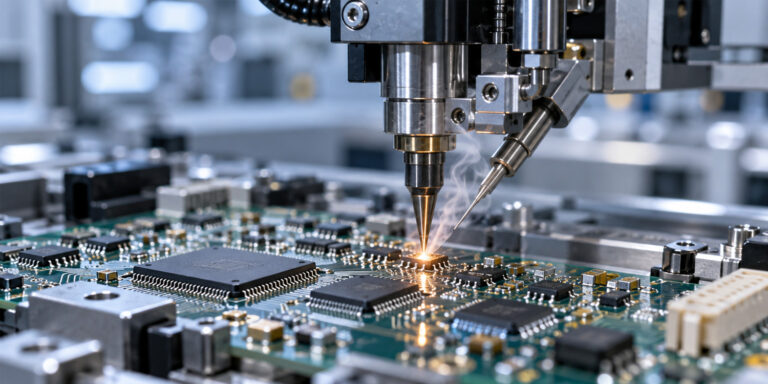
Solder Fume Extraction
For manual soldering, rework, selective soldering, and other joining processes involving in-process monitoring of solder fumes and flux emissions.

Fine dust extraction
For panel cutting, PCB milling, drilling, sawing, wafer dicing, and other processes involving fine particles or fibers.
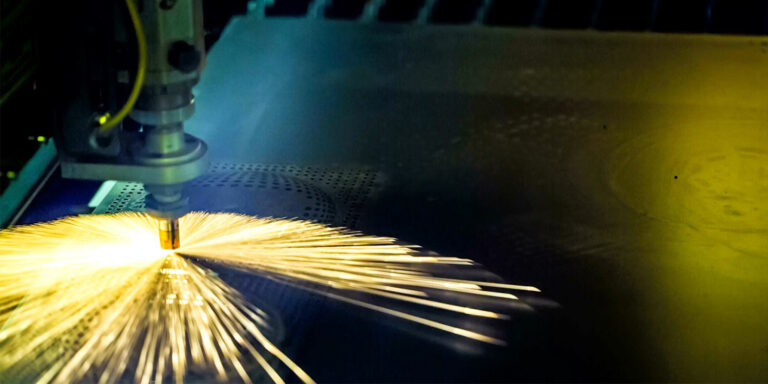
Laser Fume Extraction
For laser structuring, marking, cutting, and other laser processes on assemblies, wafers, chips, and packages.
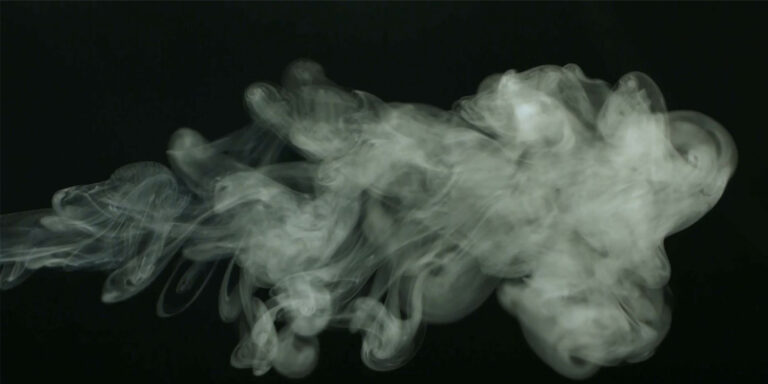
Fumes, Odors, and Smoke
For applicable emissions from rework, bonding, coating, or cleaning—after verifying the material phase and the required filter stage.
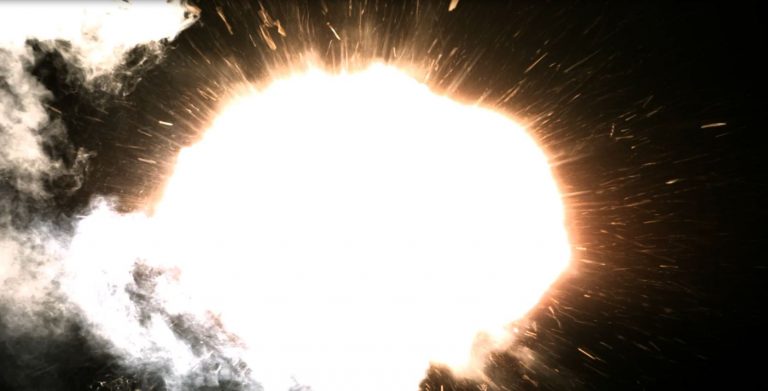
Explosion Protection for Flammable Dusts
For electronic processes in which flammable dusts or vapors are relevant to explosion protection following a risk assessment.
Is your electronics or semiconductor process not listed?
Please describe the manufacturing step, material, emissions, and plant environment. We will determine whether conventional exhaust and filtration technology is suitable or whether a specialized process exhaust solution is required.
Frequently Asked Questions About Exhaust Systems in Electronics and Semiconductor Manufacturing (FAQ)
What kinds of emissions are generated during electronics manufacturing?
Depending on the process, solder fumes, flux vapors, resin and glass fiber dust, metal, ceramic, or silicon particles, laser fumes, and vapors from cleaners, coatings, and adhesives are generated. The actual composition depends on the material, auxiliary materials, and process parameters.
How does the exhaust system work on panel saws and PCB routers?
The machining zone should be enclosed as much as possible, and fumes should be extracted directly at the tool or machine connection. The particle jet, opening areas, ducting, and negative pressure should be adjusted so that dust and fibers are captured inside the machine. Cleaning should be performed using a vacuum cleaner suitable for the material.
What should be considered in chip and wafer manufacturing?
Mechanical steps such as wafer dicing, grinding, polishing, or laser processing can be supported by in-process particle or fume extraction. Photolithography, etching, CVD, ion implantation, and other chemical processes may involve the use of toxic, reactive, or pyrophoric substances and therefore require specialized process exhaust systems, monitoring, and exhaust gas treatment.
When is a stationary solution appropriate, and when is a mobile solution appropriate?
Stationary systems are suitable for continuous machine processes, production lines, and multiple fixed collection points. Mobile solutions support rework, cleaning, maintenance, and changing work locations. A mobile device is not a substitute for permanent machine exhaust systems.
Are ESD protection and explosion protection the same thing?
No. ESD measures protect sensitive electronics from electrostatic discharge; explosion protection addresses hazardous explosive atmospheres. Grounding and conductive components may be used in both approaches, but the required measures result from different assessments.
Ihr Partner für industrielle Absauglösungen
EVOTEC develops stationary extraction systems and mobile solutions for demanding industrial manufacturing processes. From individual extraction points to networked production lines, airflow capacity, filtration technology, monitoring, and interfaces are tailored to actual operating conditions.
For electronics and semiconductor applications, we combine a deep understanding of the processes with a clear distinction between particle extraction, fume and vapor treatment, and specialized process exhaust systems.
Commissioning
Maintenance
Which extraction solution is right for your electronics or semiconductor process?
Please provide us with information on the manufacturing step, material, safety data, emission type, machine connection, cycle time, as well as ESD, cleanliness, and exhaust air requirements. EVOTEC will assist you with proper classification and design.

Robin Buschbaum
Sales D/A/CH
Specialist for extraction technology
vertrieb@evo-products.de
02642 9373-53

Lars Blankenburg
Sales
lars.blankenburg@evo-products.de
02642 9373-10

Asim Zaman-Pahlke
Export Sales
export@evo-products.de
02642/9373-15