


Exhaust Systems in the Food Industry – Collecting Process Residues in a Hygienic Manner
Home page » Food industry
Extraction Technology for Food Processing—Tailored to the Product, Hygiene Zone, and Risk
During transfer, dosing, mixing, grinding, conveying, filling, and cleaning, fine dust, coarse residues, or liquids may be released. Flour, sugar, starch, cocoa, spices, milk powder, and other raw materials differ significantly in terms of dusting behavior, moisture content, stickiness, allergen potential, and flammability.
EVOTEC tailors capture, airflow, filtration, discharge, and cleanability to the product, process, and hygiene concept—for individual workstations, machines, or permanently connected production lines. The extraction system supports hygiene and product protection, but does not replace cleaning and disinfection schedules or the facility’s HACCP system.
Your advantages in the food industry:
Measuring Emissions Directly at the Process Site
Dust and residues are captured during bag feeding, dosing, processing, or filling before they can spread throughout the room.
Supporting Hygiene and Product Separation
Proper containment, cleanable components, and low-dust discharge help reduce deposits and carryover between products.
Specify the safety configuration
Filters, materials, electrical conductivity, and, where applicable, explosion protection are determined based on material data, hygiene requirements, and risk assessments.
Where do dust, product residue, or liquids accumulate in your facility? Please describe the raw material, process step, release point, cleaning procedure, and hygiene area. This will help us narrow down the options to find the right stationary or mobile solution.
What emissions are generated during food production?
There is no such thing as a single type of “food dust.” Dry powders, crystalline substances, fibrous materials, granules, packaging residues, and moist or sticky materials each place different demands on collection, filtration, containers, and cleaning. Product data and the actual process therefore determine the technical design.
Fine and dusty raw materials
Dust from flour, sugar, starch, cocoa, spices, or milk powder, among other substances, can be generated during the opening of bags and big bags, as well as during dosing, mixing, screening, grinding, or pneumatic conveying. The finer and drier the material is, the more easily it can spread and settle.
The BAuA requires that, for dust-generating activities, sampling be conducted as close as possible to the emission source; bag loading, unloading, and shredding should be enclosed or equipped with an exhaust system whenever possible.
Coarse, fibrous, and moist residues
Fragments, grains, husks, fibers, and label and packaging residues may require high volumetric flow rates or robust discharge pathways. In the case of moist residues containing sugar or fat, however, the primary concerns are buildup, odor, corrosion, and safe discharge. Dry and wet materials may only be processed together if the equipment and process are designed for that purpose.
The appropriate solution is therefore not selected based solely on suction power. Raw materials, particle size, moisture content, temperature, volume of material, cleaning objectives, food contact, and potential fire or explosion hazards must all be taken into account in the design.
What are the key elements of effective ventilation?
Emissions are captured as close as possible to their source. Enclosed transfer points, enclosures, and close-proximity capture elements generally require less makeup air than a remote room exhaust system. At the same time, ease of operation, access for cleaning, and product flow must be maintained.
Goods Receiving, Bag Loading, Dosing, and Mixing
Vacuum-assisted bag and big-bag unloading stations, sealed transfer points, and standardized connections reduce dust during opening, filling, and discharge. At mixers and kneaders, the extraction system must capture the displaced air without unnecessarily entraining raw material or affecting the process.
Processing, Filling, Packaging, and Product Changeovers
Grinding, screening, cutting, portioning, and filling often result in fluctuating emissions. Machine connections or tracking collection elements are adjusted to match the direction of movement and the cycle rate. During product changes and maintenance, a suitable mobile extraction system supplements the stationary collection system to ensure that residues are collected in a controlled manner.
How are residues collected and separated in accordance with hygiene standards?
The collection system, ductwork, filters, hoppers, and discharge system form an integrated system. Key factors include not only separation efficiency and vacuum pressure, but also ease of cleaning, material compatibility, low-dust filter replacement, and the separation of incompatible products or allergens.
Sealed intake and stable airflow
Enclosures, hoods, and machine connections limit the spread. The required airflow depends on the opening area, the exit momentum, thermal conditions, and the operating procedure. A functional test verifies whether the containment remains effective even under actual loading conditions, with open dampers, or during changing operating conditions.
Filtration and Low-Dust Discharge
Filter area, separation efficiency, cleaning, and collection containers are determined based on dust characteristics and the volume of dust generated. A specific dust class or HEPA level is not automatically suitable for every food processing operation. Filter changes and emptying must be organized in such a way that captured dust is not re-released or carried away.
Cleanability and Suitable Materials
Smooth, accessible surfaces, minimal dead spaces, and appropriate seals facilitate cleaning. Stainless steel or other food-grade components should be used where product contact, moisture, cleaning chemicals, or the facility’s hygiene protocol require it—not across the board for every area of the facility.
Product, Allergen, and Media Separation
Separate equipment or validated changeover and cleaning procedures help reduce cross-contamination between products, allergens, and hygiene zones. Dry dust, wet residues, and cleaning fluids may require different equipment, containers, and disposal methods.
Important: Exhaust systems support the hygiene plan but do not replace it. The food business operator remains responsible for ensuring safe processes, proper cleaning, and monitoring for potential contamination.
Stationary Process Exhaust and Mobile Cleaning
Stationary Systems for Machines and Production Lines
Stationary systems are suitable for continuous processes, fixed data collection points, and defined piping networks. They can be permanently integrated with bag feeders, mixers, screens, mills, conveyor transfer points, or filling lines, and enable reproducible data collection through monitored operating conditions.
Mobile Solutions for Cleaning and Product Changeovers
Mobile vacuum cleaners facilitate controlled cleanup at various locations, during batch changes, maintenance, or in the event of local spills. Whether the unit is suitable for dry, wet, sticky, allergenic, or flammable materials is determined based on the specific application.
Decentralized or centralized exhaust
Decentralized systems limit material flow paths and can facilitate the separation of different products. Centralized systems consolidate multiple similar collection points but require a coordinated piping network, simultaneous operation, access for cleaning, and a clear strategy to prevent carryover.
Separate dry and wet cleaning
For dry dust deposits, vacuum extraction is usually the preferred method. Wet cleaning and the removal of liquids require equipment approved for this purpose, as well as corrosion-resistant components that can be easily emptied. Process air, cleaning water, and product residues are not routed through the same system without prior testing.
The BGN recommends the following for low-dust cleaning: Vacuuming is better than sweeping; compressed-air cleaning stirs up dust and should be avoided. TRGS 500 also lists suitable vacuum cleaners or wet methods as the preferred measures.
What does the interpretation depend on?
A robust design requires specific data on materials, processes, and hygiene. This includes raw materials and formulations, particle size, bulk density, moisture content, stickiness, temperature, dust levels, operating time, cleaning agents, product contact, as well as potential allergens and safety parameters.
Product Data and Risk Assessment
The following must be assessed: inhalation hazards, sensitization, flammability, minimum ignition energy, explosion characteristics, and potential ignition sources. In the case of flour, sugar, starch, milk powder, or other organic dusts, an explosion hazard must neither be assumed across the board nor ruled out.
Hygiene Zone and System Integration
The collection geometry, airflow, ductwork, filter cleaning, discharge, materials, and cleaning procedures are tailored to each specific zone. The following factors must be clarified: product contact, dry or wet cleaning, batch changes, allergenic products, room pressure, supply air, and integration into machine control and operational processes.
Before commissioning and on a recurring basis, verify that data collection, filter monitoring, drainage, and cleaning function properly under actual production conditions. Changes to the formula, cycle time, machine, or cleaning procedure may require a reassessment.
Which extraction technology is right for your food processing operation?
Please provide us with the product, process step, release point, volume generated, operating time, cleaning method, hygiene zone, and any available substance or explosion data. Based on this information, we will develop an application-specific recommendation—stationary, mobile, or a combination of both.
Considering Food Safety and Explosion Protection Together
Regulation (EC) No. 852/2004 assigns responsibility for food safety to food business operators and requires hygienically controlled production, processing, and distribution stages. Extraction systems can reduce deposits and carryover, but must be integrated into HACCP, cleaning, and operational hygiene practices.
Many finely dispersed organic dusts can also be explosive. The BGN lists food dusts, among other things, as a potential explosion hazard. Whether zones and protective measures are required depends on the substance’s characteristic values, dust release, effective ignition sources, and the risk assessment. An ATEX-compliant or conductive design must therefore be specifically determined and is not automatically necessary for every food processing operation.
The BAuA’s TRGS 500 also serves as a key technical basis for low-dust design and cleaning.
Relevant Extraction Applications in the Food Industry
From fine powders to cleaning fluids, the methods of collection, filtration, and safety design vary significantly. Choose the process solution that best suits your material and process step.

Fine dust extraction
For flour, sugar, starch, cocoa, spices, powdered milk, and other fine product powders during transfer, mixing, processing, and cleaning.
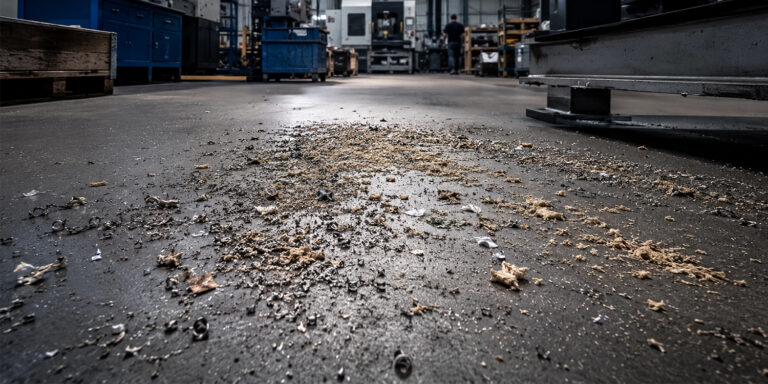
Coarse dirt extraction
For grains, fragments, husks, packaging scraps, and heavy residues that require sturdy containers and discharge routes.
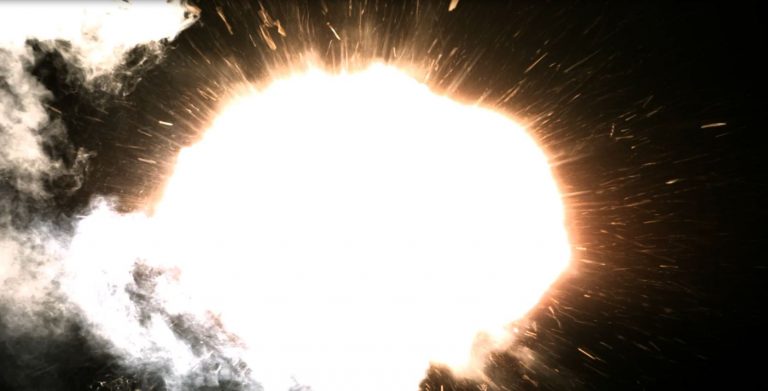
EX-protected extraction
For flammable organic dusts, when material data and the risk assessment require a design that complies with explosion protection requirements.
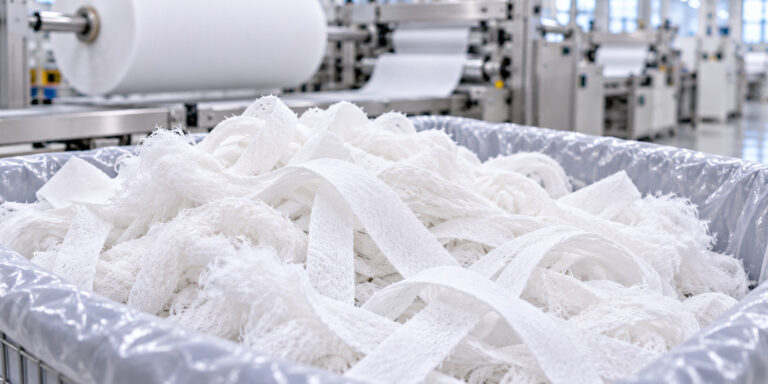
Compressible residues
For light, bulky, or fibrous materials where the collection volume needs to be reduced and discharge needs to be organized efficiently.
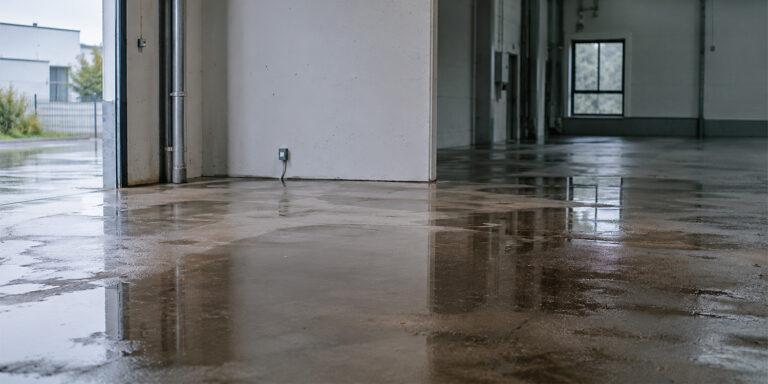
Suctioning and Pumping Out Liquids
For water, cleaning fluids, and suitable process media—provided that the device, materials, and disposal method are approved for the specific medium.
Is your process not listed?
Tell us about your product, process step, and residue. We’ll determine which collection, filtration, or cleaning solution is right for your application.
Frequently Asked Questions About Exhaust Systems in the Food Industry (FAQ)
What types of dust are generated in the food industry?
Typical examples include fine powders such as flour, sugar, starch, cocoa, spices, and milk powder. These are joined by granules, grains, husks, fibers, fragments, packaging residues, and—depending on the process—moist or sticky residues. Each material group requires its own assessment.
Does every food processing operation require an H or HEPA filter?
No. The filter class and efficiency depend on the dust characteristics, health hazards, return air system, process, and operational risk assessment. A uniformly high filter class is no substitute for proper collection, low-dust discharge, and safe cleaning.
Is an EX-rated version always required for food-grade dust?
No. Many organic food dusts can be explosive when finely dispersed, but the necessary protective measures are determined by material properties, dust concentration, release pathways, ignition sources, and zone classification. Only this assessment determines whether an EX-rated design is required and, if so, which type.
When is a stationary extraction system appropriate, and when is a portable one?
Stationary systems are suitable for permanently connected machines, production lines, and recurring collection points. Mobile vacuum cleaners offer flexibility for cleaning, maintenance, product changes, or localized spills. Often, a tailored combination makes the most sense.
How can allergen and product cross-contamination be reduced?
Separate devices or containers, clearly labeled accessories, short material pathways, and defined cleaning and replacement procedures reduce cross-contamination. Whether shared use is permitted is determined based on the product, allergen status, hygiene zone, and validated cleaning procedure.
Ihr Partner für industrielle Absauglösungen
EVOTEC develops stationary extraction systems and mobile solutions for demanding production and cleaning processes. From individual extraction points to coordinated system designs, we combine a deep understanding of processes, robust technology, and application-specific design.
Commissioning
Maintenance
Which extraction solution is right for your food processing operation?
Please provide us with details regarding the product or raw material, process step, release point, volume produced, operating time, cleaning procedure, hygiene zone, and any available substance or explosion data. Together, we will determine which stationary or mobile solution is technically and hygienically suitable for your application.

Robin Buschbaum
Sales D/A/CH
Specialist for extraction technology
vertrieb@evo-products.de
02642 9373-53

Lars Blankenburg
Sales
lars.blankenburg@evo-products.de
02642 9373-10

Asim Zaman-Pahlke
Export Sales
export@evo-products.de
02642/9373-15