


Extraction Technology for Packaging Manufacturing – Effectively Capturing Dust, Scrap, and Process Emissions
Home page » Packaging
Extraction technology for paper, cardboard, films, and composite materials—tailored to the material, process, and emissions
The packaging manufacturing industry involves a wide variety of materials and processes: Paper and cardboard, corrugated cardboard, plastics, films, foams, and composite materials are cut, die-cut, creased, milled, printed, coated, laminated, glued, thermoformed, or sealed. Depending on the process, this generates fibers, Fine Dust, light scrap, particles, fume, as well as vapors and odors.
EVOTEC tailors the collection system, airflow capacity, filter stages, and collection concept to the specific manufacturing step. Dust and scrap-generation processes are clearly separated from gaseous emissions as well as from hygiene, fire, and explosion protection requirements.
Your advantages in packaging manufacturing:
Measure emissions directly at the machine and tool
Dust, fibers, scrap, fumes, and smoke are captured at the cutting unit, punching station, enclosure, or machine connection.
Supporting Machine Availability and Packaging Quality
Less buildup on sensors, tools, printing units, and conveyor systems facilitates stable processes, cleaning, and maintenance.
Distinguish Between Stationary Process Exhaust Systems and Mobile Cleaning Systems
Machines that operate continuously are connected to a fixed power source; mobile vacuum cleaners assist with changeovers, maintenance, and the cleaning of the machine surroundings and production areas.
Which of your packaging processes generate dust, scrap material, fumes, or smoke? Please provide us with details on the material, manufacturing step, emission type, machine connection, cycle time, and any hygiene, fire safety, or explosion protection requirements. We will determine which collection and filtration technology is technically suitable.
What emissions are generated during packaging production?
Packaging production is not a uniform dust-generating process. The material, processing energy, additives, printing inks, coatings, and cleaning agents determine whether solid particles, fibers, compressible scrap, aerosols, or gaseous substances are present. The phase of the substance must be determined before selecting a filter.
Paper, cardboard, and lightweight recyclables
Cutting, die-cutting, creasing, perforating, milling, and processing corrugated cardboard can release paper dust, fibers, edge trimmings, and light, compressible waste materials. Collecting these materials close to the tool or machine keeps transport distances short and reduces buildup in the machine, sensor systems, and work area.
Plastics, printing inks, adhesives, and thermal processes
Depending on the process, film and plastic processing generates particles, dust, or trimmings. Printing, coating, laminating, bonding, cleaning, thermoforming, and heat sealing can also release vapors, odors, aerosols, or thermally generated smoke components. A particle filter alone is not automatically sufficient for this.
This is based on process data, safety data sheets, and risk assessments. TRGS 500 incorporates technical protective measures into the protective measures concept; DGUV Rule 109-002 describes the planning and operation of process air systems.
Where does effective data collection begin?
Emissions are captured as close as possible to their source or point of release. Enclosed processing zones, existing machine connections, and appropriately positioned capture elements reduce by-pass air and prevent dust, scrap, or fumes from spreading throughout the production area.
Cutting, Punching, Milling, and Trimming
Collection points are positioned on the tool, at the cutting gap, at the ejection point, in the chip chute, or inside the enclosure. Key factors include the direction of movement, the trajectory of particles or scrap, the size of the openings, and the reliable conveyance of lightweight materials without interfering with the product or web guidance.
Printing, Coating, Laminating, Bonding, and Thermoforming
For diffuse or gaseous emissions, enclosures, machine connections, edge extraction systems, or suitable hoods may be considered. The collection system must be coordinated with the production line, drying process, temperature control, and product quality. Safety data and exhaust air requirements determine whether filtration, activated carbon, or exhaust air discharge is technically appropriate.
How are dust, scrap, and process emissions separated?
Collection, piping, pre-separation, filtration, and discharge form an integrated system. Particle size, fiber content, shape and quantity of the waste material, moisture content, stickiness, and any gaseous components determine the technical design. Incompatible material streams should not be combined without prior testing.
Airflow and Detection
The capture element, airflow, and ductwork are tailored to the machine, openings, and material flow. Insufficient capture allows emissions to escape; unnecessarily high airflow rates can negatively affect web guidance, temperature, or energy consumption.
Fine Dust and Fibers
For paper, cardboard, and plastic dust, the filter area, cleaning method, and discharge system are selected based on the dust volume, particle fineness, and fiber content. Pre-filtration can reduce the load on the main filter when larger particles or material fragments are present.
Compressible scrap material
Paper strips, film trimmings, and other lightweight waste materials require a collection system that prevents clogging, bridging, and unnecessary strain on the filter. The design takes into account the volume of material, piece size, conveyor path, and the desired compaction or disposal method.
Fumes, Odors, and Smoke
Particulate filters do not capture gaseous substances. Activated carbon can be used for suitable organic vapors and odors, but its effectiveness depends on the substance, concentration, and service life. For unsuitable or safety-critical substances, a separate process exhaust air or exhaust system may be required.
Important: Hygiene and product contact zones, flammable dusts, solvent vapors, and potential hybrid mixtures must be evaluated separately. Filter class or odor alone does not replace safety data or a hazard assessment.
Stationary process extraction or mobile cleaning?
Stationary Process Exhaust System
Stationary systems are suitable for continuously operating cutting, punching, milling, printing, coating, and packaging lines, as well as for multiple defined collection points. Air flow, filter condition, discharge, and machine interfaces can be adjusted to match production operations and monitored accordingly.
Mobile industrial vacuum cleaners
Mobile vacuum cleaners assist with machine cleaning, tool changes, maintenance, and the removal of accumulated dust or residual materials at various work sites. They do not replace the need for stationary extraction during the ongoing production process.
Centralized or decentralized
A centralized system can supply multiple machines or lines. Decentralized solutions keep material flows separate and reduce pipeline lengths. The decision depends on material variety, simultaneous operation, modifications, cleaning zones, availability, and the waste disposal plan.
Automation and Monitoring
Differential pressure, flow rate, fill level, filter condition, and machine authorization can be incorporated into the operating concept. It is important to have clear messages, safe access for maintenance, and a discharge system that is appropriate for the actual volume of residual material.
To ensure optimal results, production extraction and cleaning are planned together but kept functionally separate. This ensures that extraction points, filtration technology, and operating procedures remain tailored to their respective tasks.
What does the interpretation depend on?
A robust design requires information on materials and coatings, manufacturing steps, emission types, dust or material data, scrap shape and quantity, enclosure, cycle time, and operating duration. Equally important are product contact, hygiene zones, desired air recirculation, fire and explosion protection, maintenance access, and machine interfaces.
Material, Emissions, and Mass Flow
Paper fibers, plastic dust, film trimmings, adhesive fumes, and laser smoke each behave differently from a technical standpoint. Samples, safety data sheets, and quantity specifications help ensure that the extraction system, ductwork, filters, and collection containers are properly designed.
Machine, Operation, and Disposal
The connection cross-section, openings, web path, simultaneous operation, shift operation, cleaning intervals, and the path of the residual material determine the practical solution. Tool changes, format changeovers, and safe unloading are also taken into account from the outset.
The design is not based solely on the nominal air flow rate. The key factor is the interplay between air intake, transport velocity, separation, discharge, operational reliability, and ergonomic maintenance.
Which vacuum technology is right for your packaging process?
Please provide us with details on the material, manufacturing step, emission type, amount of scrap, safety data, machine connection, cycle time, and hygiene, fire, and explosion protection requirements. EVOTEC will use this information to develop a suitable stationary or mobile extraction system.
Assessing Fire and Explosion Protection Differently
Finely dispersed combustible materials can be explosive. Depending on the properties of the material, this may include paper and plastic dust; combustible solvent vapors or hybrid mixtures may also be present. This does not mean that every packaging machine automatically requires an explosion-proof exhaust system.
Substance data, release conditions, and a hazard assessment are required. The TRGS 720 and TRGS 727 provide the basis for these requirements. The U.S. Occupational Safety and Health Administration (OSHA) also lists paper and plastics as potential combustible dusts.
PROCESS SOLUTIONS
Relevant Vacuum Applications in Packaging Manufacturing
The following process pages provide detailed information on typical emissions and link to the appropriate equipment. Select the application that most closely matches your manufacturing step.

Fine dust extraction
For paper, cardboard, and plastic dust generated by cutting, punching, milling, perforating, and similar processing steps.
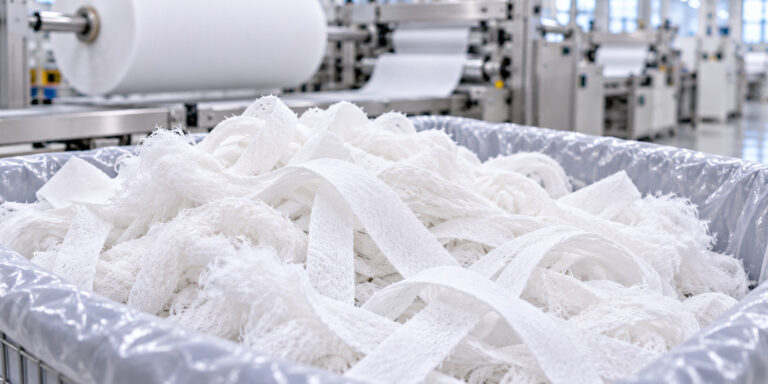
Compressible residues
For paper fibers, film trimmings, light packaging scraps, and other compressible materials with special collection and discharge requirements.
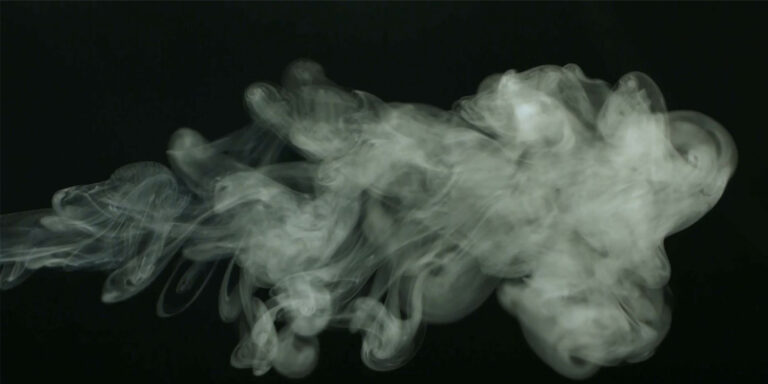
Fumes, Odors, and Smoke
For suitable emissions from printing, coating, laminating, bonding, cleaning, thermoforming, and heat sealing—following material testing.
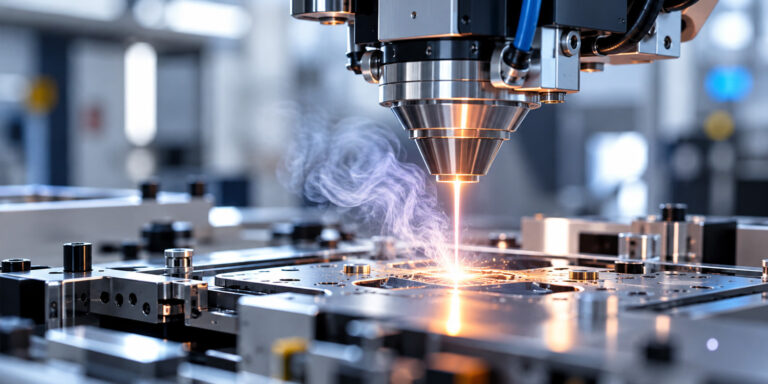
Laser Fume Extraction
For laser marking, coding, perforating, and cutting paper, cardboard, plastics, or composite materials.
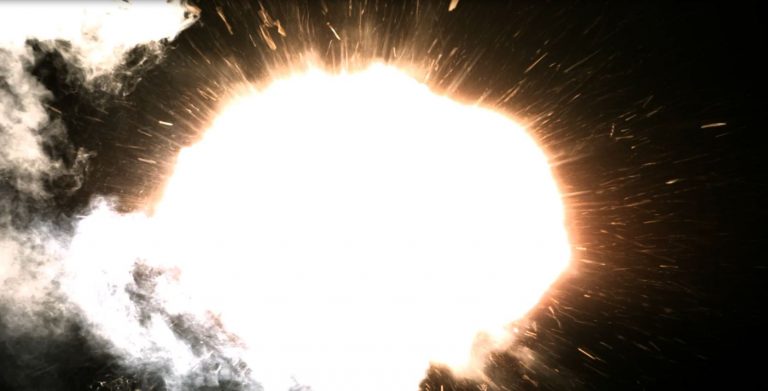
Explosion Protection for Flammable Dusts
For processes in which paper, plastic, or organic dusts, or solvent vapors, are relevant from an explosion protection standpoint according to the risk assessment.
Is your packaging process not listed?
Please describe the material, process step, emissions, scrap configuration, and plant environment. We will determine which process solution is appropriate and whether stationary collection, mobile cleaning, or a separate exhaust air solution is required.
Frequently Asked Questions About Exhaust Systems in Packaging Manufacturing (FAQ)
What emissions are generated during packaging production?
Depending on the material and process, paper and plastic dust, fibers, light or compressible scrap, fume, aerosols, vapors, and odors are generated. The phase of the substance, the quantity, and the hazard level determine the collection and filtration technology.
How are dust and scrap collected from cutting and punching machines?
Airflow should be directed as close as possible to the tool, cutting gap, ejection point, or inside the machine enclosure. The airflow volume and direction must control flying debris and openings without interfering with the material path or product quality.
How are paper and plastic film scraps collected?
Lightweight paper strips, film edges, and fibers require a collection system tailored to the size of the pieces, the flow rate, and the conveying path. Pre-separation, container size, bridging, and the desired compaction or disposal are all considered together.
When is a stationary solution appropriate, and when is a mobile solution appropriate?
Stationary systems are designed for running machines, production lines, and multiple fixed collection points. Mobile industrial vacuum cleaners are suitable for cleaning, maintenance, format changes, and varying work locations, but they do not replace necessary process exhaust systems.
Is explosion protection always required for packaging processes?
No. Explosion protection is required only if the risk assessment identifies a hazardous explosive atmosphere caused by flammable dusts, vapors, or hybrid mixtures. To this end, substance data and actual release conditions are evaluated.
Ihr Partner für industrielle Absauglösungen
EVOTEC develops stationary extraction systems and mobile solutions for demanding industrial manufacturing processes. From individual packaging machines to networked production lines, airflow capacity, filtration technology, discharge, monitoring, and interfaces are all tailored to actual operating conditions.
In packaging production, we combine an understanding of materials and processes with a clear separation between dust and scrap extraction, fume and vapor treatment, as well as cleaning and special safety-related requirements.
Commissioning
Maintenance
Which vacuum solution is right for your packaging process?
Please provide us with information on the material, manufacturing step, type of emissions, amount of scrap, safety data, machine connection, cycle time, and hygiene, fire, and explosion protection requirements. EVOTEC will assist you with proper classification and design.

Robin Buschbaum
Sales D/A/CH
Specialist for extraction technology
vertrieb@evo-products.de
02642 9373-53

Lars Blankenburg
Sales
lars.blankenburg@evo-products.de
02642 9373-10

Asim Zaman-Pahlke
Export Sales
export@evo-products.de
02642/9373-15