


Extraction Technology for Textile Processing – Targeted Collection of Fibers, Lint, and Process Dust
Home page » Textile processing
Exhaust systems for spinning, weaving, nonwovens, garment manufacturing, and textile recycling—tailored to the fiber, process, and emissions
Textile processing ranges from opening raw fibers, carding, spinning, weaving, and knitting, through nonwoven fabric production and garment manufacturing, to raising, cutting, coating, laminating, and recycling. Depending on whether natural or synthetic fibers are used, thermal and chemical processes generate long and short fibers, lint, Fine Dust, light off-cuts, as well as fume, vapors, or aerosols.
EVOTEC tailors the collection process, airflow capacity, pre-separation, filter technology, and collection concept to the fiber length, dust content, electrostatic behavior, moisture content, surface treatment, and actual material output. Production extraction, mobile cleaning, and any fire or explosion protection requirements are clearly separated in this process.
Your benefits in textile processing:
Detect Fibers and Dust Directly During the Process
Emissions are captured at the opener, carding machine, spinning unit, weaving or knitting machine, cutting unit, roving machine, or enclosure.
Supporting Machine Availability and Product Quality
Fewer fiber deposits on sensors, drives, guides, and hot surfaces facilitate stable processes, cleaning, and maintenance.
Separate stationary line extraction and mobile cleaning
Machines that operate continuously are connected to a fixed power source; mobile vacuum cleaners are used to support changeovers, maintenance, and the cleaning of the areas around machines and in the halls.
Which textile processes in your facility produce fibers, lint, dust, or fumes? Please provide us with the fiber type, process step, material quantity, emission source, operating time, humidity, equipment, and fire and explosion safety requirements. We will determine which collection and filtration technology is technically suitable.
What emissions are generated during textile processing?
Textile emissions depend heavily on the raw fiber material, fiber length, yarn or fabric structure, finishing, and processing methods. In addition to visible lint and loose fibers, fine organic or synthetic dust, oil-containing aerosols, and gaseous substances may be present. These phases of matter require different methods of collection and separation.
Natural fibers, synthetic fibers, and textile dust
Depending on the material, the processes of opening, carding, combing, spinning, weaving, knitting, and raising the nap produce fibers, lint, and Fine Dust. Raw cotton dust may also contain plant matter and other impurities. Synthetic fibers differ in density, electrostatic behavior, and thermal properties.
Cutting, Manufacturing, Finishing, and Recycling
Cutting, punching, brushing, shearing, and sewing produce fiber residues and fine particles. Laser cutting and thermal cutting processes can release fume; coating, laminating, flocking, gluing, and cleaning can generate aerosols, vapors, or odors. In textile recycling, the composition of the material mix and the proportion of foreign substances often vary.
The BG ETEM lists, among other things, organic and inorganic fiber dusts as well as dust fire and explosion hazards associated with textile manufacturing and finishing. The OSHA Cotton Dust Rule further specifies that raw cotton dust must be evaluated separately at certain stages of processing.
Where does effective data collection begin?
Fibers and dust are captured as close as possible to their source or point of release. Machine connections, enclosed zones, and appropriately positioned capture elements reduce by-air and prevent light fibers from entering the production hall or components in the first place.
Opening, Carding, Spinning, Weaving, and Knitting
Collection points are located at the fiber feed, cleaning and carding zones, yarn breakage points, sections with loose fibers, and designated machine connections. The airflow volume and collection geometry must reliably capture fibers without impairing material guidance, yarn flow, or product quality.
Cutting, Abrasive Finishing, Coating, and Laser Processing
In mechanical cutting operations, particles are captured directly at the cutting unit or within the enclosure. Sanding, brushing, and shearing require wide-range capture along the entire work area. For laser, bonding, or coating processes, the material phase and safety data determine whether a particle filter, activated carbon, or a separate process exhaust system is appropriate.
How can fibers, lint, and Fine Dust be safely separated?
Collection, conveyance, pre-separation, filtration, and discharge form an integrated system. Fiber length, bulk density, compressibility, moisture content, electrostatic behavior, surface treatment, and any gaseous components determine the technical solution.
Airflow and Clog Prevention
Lightweight, long fibers require pipes with sufficient flow capacity and appropriate cross-sections. Deposits, tangles, and blockages are prevented through proper collection, pipe routing, access for inspection, and a discharge system tailored to the fiber flow.
Pre-separation and compressible fibers
Fiber bundles, lint, and scrap should be separated or collected separately before the fine dust filter stage, if possible. Collection volume, compaction, bridging, and emptying are tailored to the amount of material and the disposal method.
Fine Dust Filters and Cleaning
Fine fibers and dust particles require sufficient filter area and an appropriate cleaning method. Differential pressure and filter condition should be monitored. For sticky, oily, or damp materials, the suitability of the filter must be carefully evaluated.
Fume, aerosols, and gaseous substances
Particulate filters do not capture gaseous substances. Activated carbon can be used for suitable organic vapors and odors, but its effectiveness depends on the substance, concentration, and service life. For unsuitable or safety-relevant substances, a separate process exhaust system may be required.
Important: Natural fibers, synthetic fibers, coated textiles, metal threads, and foreign materials must not be treated the same across the board. Material data and actual process conditions determine the filtration, discharge, and fire and explosion protection.
Stationary line extraction or mobile cleaning?
Stationary Process Exhaust System
Stationary systems are suitable for continuously operated openers, carding machines, spinning, weaving, knitting, nonwoven, cutting, and roving processes, as well as for multiple fixed collection points. Airflow, filter condition, discharge, and machine interfaces can be continuously monitored.
Decentralized Machine and Workstation Exhaust Systems
Decentralized solutions are suitable for individual cutting stations, sewing areas, laser systems, or varying small production runs when short pipeline routes and separate material flows are advantageous. Collection and filtration technology remain tailored to the specific process.
Mobile industrial vacuum cleaners
Mobile vacuum cleaners assist with machine cleaning, maintenance, format changes, and the removal of accumulated fibers or dust. Compressed air can redistribute deposits and is not considered a substitute for low-dust cleaning. Mobile cleaning does not replace necessary process extraction.
Centralized or Separate Material Flows
Centralized systems can serve multiple production areas. When dealing with widely varying fiber types, recycled materials, sticky finishes, or different hazards, separate systems may be more appropriate. Concurrency, fire safety, and waste disposal determine the solution.
Production extraction and cleaning are planned together but are functionally separate. This ensures that collection points, filtration technology, and operating procedures remain tailored to their respective tasks and fiber types.
What does the interpretation depend on?
A reliable design requires information on natural or synthetic fibers, fiber length, dust content, material quantity, moisture content, finishes, electrostatic behavior, emission point, duct routing, and operating duration. Equally important are temperature, foreign substances, desired air recirculation, fire protection, and disposal.
Fibers, Dust, and Material Flow
Cotton, wool, flax, polyester, polyamide, carbon fibers, nonwovens, and recycled blends all behave differently. Material samples and process data help ensure that the collection, pre-separation, filters, and collection containers are properly designed.
Machine, Load Cases, and Cleaning
The practical solution is determined by the connection cross-section, openings, fiber fly, simultaneity, shift operation, product changeovers, and cleaning intervals. Malfunctions, startup procedures, and safe emptying are also taken into account.
The design is not based solely on the nominal airflow rate. The key factor is the interplay between capture geometry, fiber transport, pre-separation, filtration, discharge, fire prevention, and ergonomic maintenance.
Which extraction technology is right for your textile process?
Please provide us with the fiber type, process step, material quantity, moisture content, equipment, emission source, operating duration, and fire and explosion protection requirements. EVOTEC will use this information to develop a suitable stationary, decentralized, or mobile extraction concept.
Assess Fire, Explosion, and Electrostatic Risks Differentially
Many textile fibers and dusts are flammable. Deposits can contribute to fires; finely dispersed flammable dusts can form explosive mixtures under the right conditions. In addition, lightweight synthetic fibers can become electrostatically charged.
This does not mean that every textile process automatically requires explosion-proof exhaust ventilation. Fabric properties, fiber and dust content, release rates, ignition sources, and plant operations are evaluated in the risk assessment. The TRGS 720 and TRGS 727 provide the foundational guidelines.
PROCESS SOLUTIONS
Relevant Exhaust Applications in Textile Processing
The following process pages provide detailed information on typical emissions and link to the appropriate equipment. Select the application that most closely matches your process.

Fine dust extraction
For fine fibers and dust particles resulting from spinning, weaving, knitting, raising, cutting, and other processing operations.
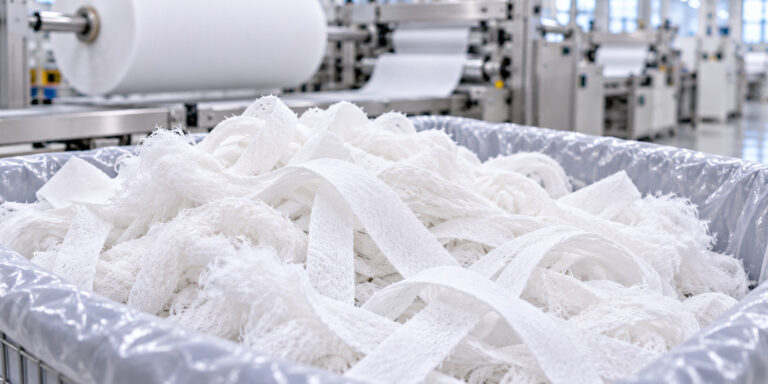
Compressible fabrics and Materials
For lint, fiber bundles, light textile scraps, and offcuts that require special collection, discharge, and compaction.
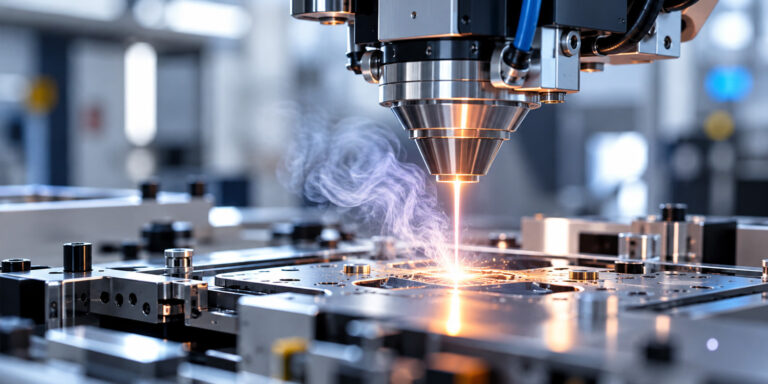
Laser Fume Extraction
For laser cutting, perforation, marking, and thermal processing of natural fibers, synthetic fibers, and textile composite materials.
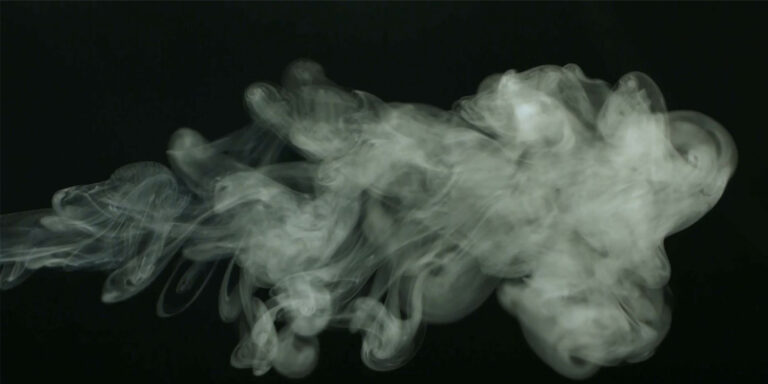
Fumes, Odors, and Smoke
For suitable emissions from coating, laminating, bonding, flocking, cleaning, and thermal textile processing—following fabric testing.
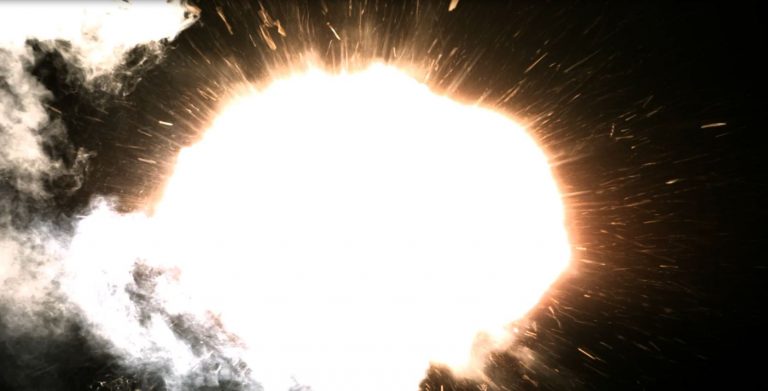
Explosion Protection for Flammable Dusts
For textile processes in which flammable fiber dusts or hybrid mixtures are relevant from an explosion protection standpoint, according to the risk assessment.
Is your process not listed?
Please describe the type of fibers, process step, emissions, material volume, and plant environment. We will determine which process solution is appropriate and whether stationary collection, decentralized extraction, or mobile cleaning is required.
Frequently Asked Questions About Exhaust Systems in Textile Processing (FAQ)
What emissions are generated during textile processing?
Depending on the type of fiber and the process, long or short fibers, lint, Fine Dust, light off-cuts, oil-containing aerosols, as well as fumes and odors from thermal or chemical processes are produced.
Why are fibers and lint challenging for extraction systems?
Lightweight fibers have a large volume; they can compact, become electrostatically charged, wrap around components, or clog pipes and filters. Pre-separation, piping, collection capacity, and discharge must therefore be tailored to the fiber length and material flow.
Where are textile emissions best measured?
Monitoring takes place as close as possible to the fiber release point, the tool, the cutting unit, the processing roller, or inside the machine enclosure. This ensures that fewer lint particles and dust enter the production hall, the drive systems, and the sensor systems.
When is a stationary solution appropriate, and when is a mobile solution appropriate?
Stationary systems are designed for continuous-operation machinery and fixed collection points. Mobile industrial vacuum cleaners are suitable for cleaning, maintenance, product changeovers, and varying work locations, but they do not replace necessary process exhaust systems.
Does every textile extraction system require explosion protection?
No. Explosion protection is required if the risk assessment identifies a hazardous explosive atmosphere caused by combustible dusts or hybrid mixtures. To this end, substance properties, release rates, and potential ignition sources are evaluated.
Ihr Partner für industrielle Absauglösungen
EVOTEC develops stationary extraction systems and mobile solutions for demanding industrial manufacturing processes. From individual textile machines to networked production lines, airflow capacity, pre-separation, filter technology, discharge, monitoring, and interfaces are tailored to actual operating conditions.
For textile processing, we combine our understanding of fibers and processes with a clear distinction between lint removal, fine dust filtration, fume and steam treatment, as well as cleaning and special safety-related requirements.
Commissioning
Maintenance
Which extraction solution is right for your textile process?
Please provide us with the fiber type, process step, material quantity, moisture content, equipment, emission source, operating time, and fire and explosion protection requirements. EVOTEC will assist you with proper classification and design.

Robin Buschbaum
Sales D/A/CH
Specialist for extraction technology
vertrieb@evo-products.de
02642 9373-53

Lars Blankenburg
Sales
lars.blankenburg@evo-products.de
02642 9373-10

Asim Zaman-Pahlke
Export Sales
export@evo-products.de
02642/9373-15