


Exhaust Systems for Machine Rooms – Safely Collect Dust, Oil, and Operating Residues
Home page » Machine areas
Extraction and Cleaning Solutions for Machine Rooms – Tailored to the Material, Equipment, and Maintenance Process
Machine rooms house pumps, compressors, generators, drives, hydraulic units, and other utility systems in a confined space. During operation and maintenance, dry dust, abrasion particles, rust, fibers, soot, coarse contaminants, and residues of oil, lubricants, and coolants can accumulate. These substances differ significantly in terms of how they are captured, filtered, collected, and disposed of.
EVOTEC develops mobile industrial vacuum cleaners, centralized cleaning networks, and stationary collection systems for technical operating areas. As an industry-specific page, this section first directs users to the appropriate applications; the specific devices are then selected on the respective process pages.
Your benefits in the engine room:
Safely Separate Dry and Liquid Residues
Dust, abrasives, coarse particles, oil, and coolant are collected only using appropriate equipment and are not mixed together in an uncontrolled manner.
Adapt Cleaning Procedures to Accessibility and Maintenance Needs
Hose routing, reach, tank capacity, and accessories are tailored to fit tight spaces, platforms, pipe runs, and maintenance windows.
Moving from the material challenge to the right application
Coarse contaminants, Fine Dust, liquids, and potential explosion hazards are evaluated separately and discussed in greater detail on their own process pages.
What types of residues are generated in your machine room, and where do they need to be collected? Nennen Sie uns Anlage, Stoff, Temperatur, Menge, Zugänglichkeit, Reinigungsintervall und vorhandene Gesundheits-, Brand- oder Explosionsschutzanforderungen.
What types of contaminants are found in engine rooms?
The composition of the material depends on the installed equipment and its condition. In addition to accumulated dust and coarse dirt, abrasion particles, rust particles, insulation fibers, soot, sealant residues, oil, and cooling lubricants may be present. A safe solution therefore begins with the separation of dry solids, liquids, hot residues, and potentially flammable substances.
Dry dust, abrasives, and coarse dirt
Dust, sand, rust, fibers, abrasion particles, and larger particles accumulate on floors, platforms, cable and pipe runs, and in hard-to-reach areas of the facility. Particle size, bulk density, potential hazardous substances, and material volume determine the dust class, filter area, pre-separation, hose cross-section, and container design.
Oil, Coolant, and Maintenance Fluids
Pumps, gearboxes, compressors, and hydraulic units may produce drips, residual leaks, or fluids that need to be drained during maintenance work. These fluids must be collected using wet vacuums or oil/chip vacuums that are specifically designed for this purpose. Hot, highly flammable, or unknown liquids must not be collected without specific approval.
TRGS 500 requires low-dust cleaning methods and specifies industrial vacuum cleaners suitable for industrial maintenance cleaning. DGUV Information 213-033 prioritizes closed systems and local exhaust ventilation over general room ventilation.
Where does effective cleaning or collection begin?
Cleaning and process extraction serve different purposes. Deposits are collected from the floor, platforms, the area around machinery, and maintenance points. If dust, fumes, or vapors are continuously generated at a facility, the possibility of capturing them at the source should be evaluated. An industrial vacuum cleaner is not a substitute for the required room ventilation or for an oil mist or gas separation system designed for that purpose.
Floors, platforms, pipe runs, and hard-to-reach areas
Mobile vacuum cleaners or a central vacuum pipe network facilitate the regular removal of dust and coarse debris from walkways, under equipment, on platforms, and along technical installations. Hose length, elevation differences, narrow passages, and safe access points are all taken into account in the planning. Dry sweeping and blowing with compressed air are avoided.
Machines, units, areas prone to leaks, and maintenance points
When the system is shut down and secured, the areas around the housing, catch basins, filter replacement stations, and accessible machine areas can be cleaned. Separate approvals apply to liquids, hot surfaces, moving parts, and electrical equipment. Continuous emissions are captured directly at the source whenever possible.
How can dust, coarse solids, and liquids be handled safely?
Intake, transport, filtration, storage, discharge, and disposal form a comprehensive system. Dry or wet, fine or coarse, abrasive or fibrous, hot or cold, and flammable or non-flammable are key selection criteria. A “one-size-fits-all” solution makes no sense in machine rooms, either from a technical or a safety standpoint.
Separate dry and wet material streams
Dry dust and liquids must be collected using the appropriate technology for each. Alternating use is permitted only if the equipment, filter, container, and cleaning procedure are specifically designed for that purpose. Mixing materials can damage filters, complicate disposal, and create additional hazards.
Pre-separate coarse material and heavy residues
In the case of screws, sealant residue, rust, sand, or heavy deposits, suitable coarse separators and sturdy containers protect the filter stage. The hose diameter, flow rate, weight, and discharge path must be appropriate for the actual volume of material.
Filter Fine Dust according to the level of risk
The filter class and disposal method depend on the type of dust collected and the risk assessment. Fine or harmful deposits require effective collection, suitable filters, and low-dust discharge. The general term “machine room dust” is not sufficient for making a selection.
Check temperature, ignition sources, and explosion risks
Hot particles, hot liquids, and smoldering residues must not enter vacuum cleaners or containers in an uncontrolled manner. Explosion protection is required if flammable dust, vapor, or gas can create a hazardous explosive atmosphere. This is based on a specific risk assessment.
Important: A vacuum cleaner designed for dry debris is not automatically suitable for oil, coolant, hot residues, or explosive atmospheres. Material specifications and operating conditions must be clearly defined before making a selection.
Mobile cleaning, centralized networks, or stationary monitoring?
Mobile industrial vacuum cleaners
Mobile units are ideal for use in various locations, for maintenance work, for cleaning up localized spills, and for hard-to-reach areas. The unit, filter, container, hose, and accessories are designed to handle dry dust, coarse debris, or liquids.
Central Cleaning Networks
A fixed pipe network with distributed suction points facilitates recurring cleaning tasks in larger or multi-story machine rooms. The design is determined by factors such as simultaneous operations, hose lengths, pipe routing, material transport, and central discharge.
Stationary monitoring at designated sources
If a machine consistently generates dust or other relevant emissions, it may be advisable to install a fixed extraction system at the source. The extraction element, airflow rate, filter, and control system are integrated with the process. Room air, exhaust gases, and oil mist each require their own specialized solutions.
Separate solutions for liquids and hazardous materials
Oil and coolant collection, hazardous dusts, flammable substances, and hot residues may require separate equipment or clearly defined operational approvals. Shared use is permitted only if it is technically intended and covered in the risk assessment.
The focus is often on mobile cleaning for upkeep and maintenance. Centralized or stationary systems remain a project-specific option when the size, frequency, or a permanently defined emission source make this a practical choice.
What does the interpretation depend on?
Information is required regarding the machine and its operating condition, material type, safety data, particle size, bulk density, liquid, temperature, quantity, cleaning interval, and accessibility. Equally important are hose runs, elevation differences, available power supply, discharge path, and existing risk assessments.
Substance, Temperature, and Hazard
Dust, soot, rust, fibers, abrasives, oil, and coolant behave differently. Flammability, health hazards, electrical conductivity, viscosity, and temperature determine the choice of filter, container material, grounding, explosion-proof design, and safe disposal.
Space, Accessibility, and Maintenance Procedures
Narrow aisles, platforms, stairs, pipe bridges, long piping runs, and short downtime windows influence equipment size and system design. Noise, waste heat, ventilation, safe access, and the separation of the operating plant from the maintenance area are also taken into account.
It’s not just suction power that matters. The overall design must integrate material intake, filtration, the collection container, emptying, operating range, ease of use, and safe operation in the specific machine room.
Which extraction solution is right for your machine room?
Please provide us with the equipment type, residue, temperature, quantity, accessibility, and cleaning process. EVOTEC will match the problem to the appropriate application and use that information to develop a transparent cleaning concept.
Cleaning is no substitute for ventilation or process separation
TRGS 500 stipulates that dusty work areas must be cleaned using vacuuming or wet cleaning methods; dry sweeping and blowing with compressed air are generally not permitted. DGUV Information 213-033 prioritizes local exhaust ventilation at the source over general room ventilation. An industrial vacuum cleaner is therefore part of a coordinated cleaning strategy, but it is not a universal substitute for ventilation, exhaust systems, or oil mist separation.
PROCESS SOLUTIONS
Relevant Exhaust Applications for Machine Rooms
The following process pages provide more detailed information on typical material groups and link to the appropriate equipment for each. Select the application that most closely matches your actual residue and operating conditions.
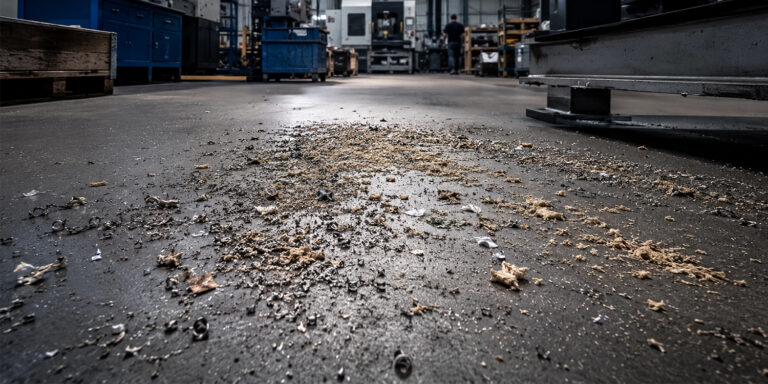
Coarse dirt and heavy residues
For sand, rust, sealant residue, coarse particles, and heavy deposits on floors, platforms, and in the area surrounding the equipment.

Fine dust extraction
For fine, dry deposits, abrasion, soot, or fibrous residues—following a thorough assessment of the material.
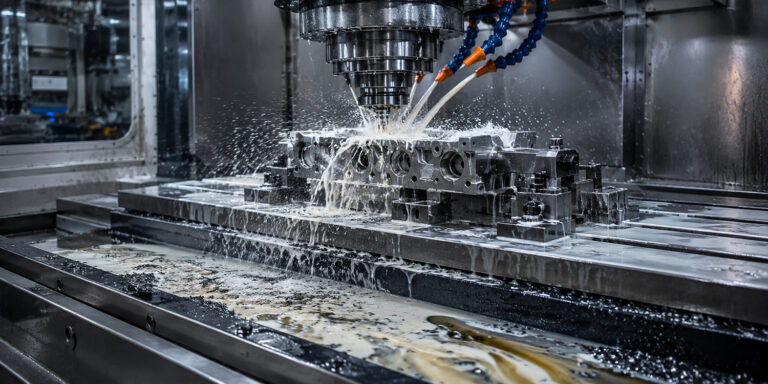
Oil, Emulsions, and Coolant-Lubricants
For suitable maintenance fluids and leakage residues on pumps, gearboxes, hydraulic systems, and supply systems.
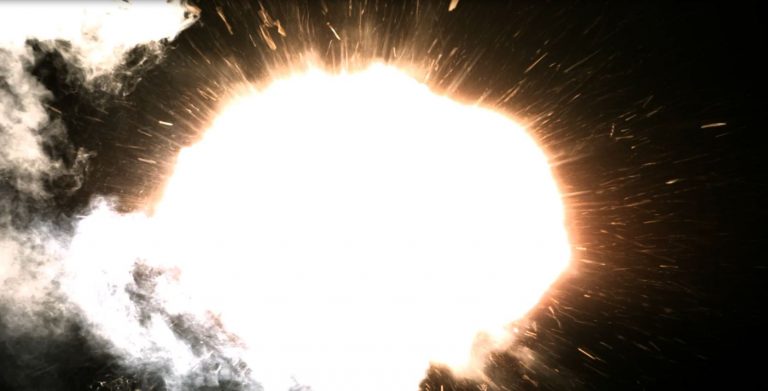
Explosion Protection for Flammable Substances
If, according to the risk assessment, dust, vapor, or gas can create a hazardous explosive atmosphere.
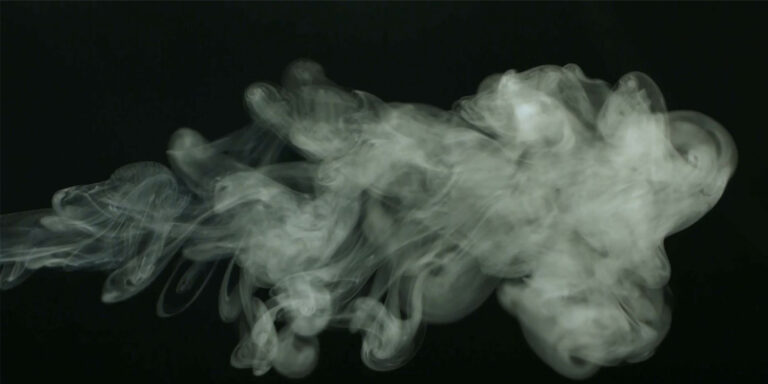
Fume and steam extraction
For clearly defined emissions from machinery, equipment, or maintenance stations—with source-specific monitoring following prior substance testing.
Is your process not listed?
Please describe the system, residue, temperature, material volume, accessibility, and cleaning process. We will determine which application is relevant and whether mobile collection, centralized cleaning, or stationary collection is the best option.
Frequently Asked Questions About Ventilation in Engine Rooms (FAQ)
What types of residues typically accumulate in engine rooms?
Typical contaminants include dust, abrasion particles, rust, fibers, soot, sand, coarse dirt, and residues of oil, lubricants, and coolants. The specific substances present depend on the machinery, the media involved, the state of maintenance, and the environment.
Why aren't any devices displayed directly on this industry page?
Several distinctly different material flows can occur in machine rooms. For this reason, the industry page first covers coarse debris, Fine Dust, oily liquids, and explosion protection. The appropriate equipment is then shown on the respective process pages.
When is a portable vacuum cleaner the better choice, and when is a central vacuum system more appropriate?
Mobile vacuum cleaners are suitable for changing work locations, confined spaces, and spot maintenance. A centralized vacuum system is useful for large or multi-story areas with regularly recurring cleaning locations. Continuous emissions from a machine may require stationary source extraction.
Can the same device pick up both dry dust and oil?
Only if the equipment, filter, container, and replacement procedure are specifically designed for both operating modes. In many cases, dry and wet material streams are separated to ensure that filtration performance, waste disposal, and operational safety are maintained.
Does every machine room require an explosion-proof exhaust system?
No. Explosion protection is required when flammable dusts, vapors, or gases can create a hazardous explosive atmosphere. This is determined based on substance data, release quantities, ignition sources, and the operational risk assessment.
Ihr Partner für industrielle Absauglösungen
EVOTEC develops mobile industrial vacuum cleaners, centralized cleaning networks, and stationary collection systems for technical machine rooms. Dry dust, coarse materials, liquids, and special substances are considered separately based on material properties, system condition, accessibility, filtration, containers, and safe emptying.
Commissioning
Maintenance
Which extraction solution is right for your machine room?
Please provide us with information regarding the system, backpressure, temperature, volume, accessibility, cleaning intervals, and any health, fire, or explosion safety requirements. EVOTEC will assist you with classification and design.

Robin Buschbaum
Sales D/A/CH
Specialist for extraction technology
vertrieb@evo-products.de
02642 9373-53

Lars Blankenburg
Sales
lars.blankenburg@evo-products.de
02642 9373-10

Asim Zaman-Pahlke
Export Sales
export@evo-products.de
02642/9373-15