


Extraction Technology for Power Plants – Safely Collecting Dust, Ash, and Operational Residues
Home page » Power Plants
Exhaust technology for fuel handling, boiler rooms, ash handling areas, and maintenance—tailored to the material, temperature, and hazards
Power plants and heating plants differ significantly in terms of fuel, combustion systems, plant technology, and operating modes. When using coal, biomass, or substitute fuels, combustible dusts can be generated at the receiving, crushing, transfer, conveyor, bunker, and silo areas. Depending on the facility, soot, fly ash, grate ash, slag, limestone, gypsum, sorbents, or refractory residues accumulate in the boiler and ash areas. In turbine, generator, and workshop areas, maintenance dust, metal particles, and oily liquids are also present.
EVOTEC designs stationary extraction and centralized cleaning systems as well as mobile industrial vacuum cleaners for this purpose. Collection, pre-separation, filtration, collection capacity, discharge, and, where necessary, explosion protection are all designed to accommodate the actual material flow. The extraction technology described here is intended for source and operational cleaning; it does not replace the power plant’s process-based flue gas cleaning system.
Your benefits in power plant operations:
Capture dust and residues at the source
Transfer points, bunkers, ash discharge points, maintenance stations, and cleaning areas are equipped with appropriate collection points or suction connections.
Reliable separation for fine and heavy materials
The pre-separation, filter, and collection system are designed to handle airborne dust, coarse abrasive material, bulk density, moisture, and peak flow rates.
Distinguish Between Stationary Systems and Mobile Cleaning
Fixed stations are connected centrally or decentrally; mobile vacuum units support inspections, troubleshooting, and operations at various locations.
Where do fuel dust, ash, soot, coarse particles, or maintenance residues accumulate in your facility? Nennen Sie uns Brennstoff und Stoffart, Temperaturzustand, Korngröße, Schüttdichte, Feuchte, Entstehungsstelle, Betriebsdauer, Förderweg und vorhandene EX-Zoneneinteilung.
What substances and residues are produced in power plants?
Emissions patterns vary depending on the type of power plant. Solid-fuel plants have different dust and material flows than gas-fired plants; boiler design, flue gas cleaning, and fuel preparation also affect the requirements. For this reason, substances, temperatures, and operating conditions are considered separately before selecting the exhaust extraction technology.
Fuel Receipt, Processing, and Conveyance
With coal, biomass, and substitute fuels, dust is generated primarily during unloading, crushing, screening, conveying, at belt transfer points, and when feeding bunkers and silos. Fine combustible particles can pose fire and explosion hazards; coarse, fibrous, or moist components present different challenges for conveying, pre-separation, and discharge.
Boilers, Ash, Flue Gas Cleaning, and Maintenance
Depending on the process, fly ash, bottom ash, soot, slag, limestone, gypsum, and sorbent dusts, as well as residues from refractory materials, are produced. During inspections, insulation material, corrosion, and metal particles are added to the mix; oily liquids may need to be collected separately from turbines, pumps, or gearboxes. Gas-fired plants often produce less fuel dust but still require tailored maintenance and operational cleaning.
DGUV Rule 103-009 for thermal power plants and heating plants describes hazards specific to power plants and protective measures. The OSHA overview of hazards in power generation also highlights potential explosion risks caused by, among other things, coal dust. Nevertheless, the specific risk assessment of the facility is always the determining factor for the design.
Where does effective data collection begin?
Dust is captured as close as possible to the point of release before it settles in buildings, cable trays, on hot surfaces, or in hard-to-reach areas. Appropriate enclosures, hoods, machine connections, and central vacuum points reduce by-pass air. For inspection and cleaning work, mobile or central vacuum connections are designed to ensure that safe work procedures remain possible.
Receiving, Crushing, Conveying, Transfer Stations, and Bunkers
Fixed collection points are typically located at dusty transfer points, feed points, crushers, screens, conveyors, and enclosed bunker areas. The airflow volume and collection geometry must effectively capture the falling material without unnecessarily affecting the process. Dust-resistant ductwork, inspection ports, and a robust discharge system are particularly important for abrasive or fibrous fuels.
Boiler house, ash discharge system, silos, and maintenance stations
Ash and sorbent dust are collected at discharge points, transfer points, filling or emptying stations, and during maintenance work. Centralized duct networks or mobile vacuum cleaners are suitable for cleaning floors, platforms, and equipment. Hot, smoldering, or substances that have not been explicitly cleared for handling must not be collected using a standard extraction system; temperature, residual embers, pressure, absence of gas, and clearance must be verified before work begins.
How can dust, ash, and coarse material be reliably separated?
Feeding, conveying speed, pre-separation, filtration, collection hoppers, and discharge together form a complete system. Particle size, bulk density, abrasiveness, moisture content, temperature, chemical properties, and potential flammability determine the system’s design and the materials used. Large peak volumes resulting from maintenance or cleaning are designed differently than a continuous stream of fine dust.
Collection and Pneumatic Conveyance
The cross-sectional area, air velocity, and piping layout are selected so that heavy particles can be transported without causing unnecessary wear or pressure loss. Elbows, branches, and flexible hoses must be designed to withstand abrasion, prevent potential blockages, and provide the required reach.
Pre-separation for ash, slag, and coarse material
Cyclones, separators, or collection stages can reduce high levels of coarse material and peak loads before the fine dust filter stage. This protects the filters, extends the intervals between emptying, and enables appropriate discharge. The container volume and handling must be suited to the weight, bulk density, and disposal method.
Fine Dust Filters and Cleaning
Fine dusts such as fly ash, soot, limestone, gypsum, or sorbent dust require sufficient filter area and an appropriate cleaning method. Differential pressure and filter condition should be monitored. The filter medium and leak-tightness are selected based on dust characteristics, exposure, temperature, and the operational cleaning concept.
Oily, wet, or chemically reactive material streams
Oily liquids from maintenance, moist ash, or chemically reactive residues are not generally processed through the same drying system. They require separate collection, storage, and disposal pathways. A liquid vacuum cleaner is not an oil mist separator; similarly, a process exhaust system does not replace process-specific flue gas cleaning.
Important: Hot or smoldering ash, unknown chemical residues, and mixtures of substances may only be accepted after they have been safely cleared for handling. Specially designed procedures are required for hot materials. Fuel dust, fly ash, oily liquids, and hazardous substances must not be mixed without prior testing.
Stationary power plant exhaust extraction or mobile cleaning?
Stationary Process and Source Exhaust Systems
Stationary systems are suitable for recurring emissions at transfer points, processing stations, bunkers, ash discharge points, and fixed maintenance locations. Designated collection points, piping networks, filters, discharge systems, and control systems are planned together and integrated into operational management.
Central Facility Cleaning
A fixed suction pipe network with distributed connection points facilitates the regular cleaning of large buildings, stages, and plant areas. Simultaneity, hose lengths, pressure losses, heavy materials, and waste disposal logistics determine the system design. The system remains clearly separate from process or flue gas cleaning.
Mobile Industrial Vacuum Cleaners for Inspection and Maintenance
Mobile units are suitable for use in various locations, during plant shutdowns, for occasional troubleshooting, and for collecting discarded dry or liquid residues. The unit, filter, container, and accessories must be appropriate for the specific substance and application; compressed air is not a substitute for low-dust cleaning.
EX version only after a risk assessment
Explosion protection measures may be required for combustible coal, biomass, or substitute fuel dusts. This does not apply across the board to every power plant and every area. Substance properties, release, zone classification, ignition sources, and electrostatic charging determine the requirements for grounding, conductivity, equipment category, and protection strategy.
Continuous monitoring, centralized plant cleaning, and mobile inspection technology are planned as separate tasks. This ensures that availability, safety, emptying, and maintenance are tailored to the respective material flow and operating conditions.
What does the interpretation depend on?
A robust design requires information on the power plant type, fuel, material designation, particle size distribution, bulk density, abrasiveness, moisture content, temperature, potential embers, chemical properties, material quantity, peak loads, emission point, and operating duration. Equally important are the length of the piping run, elevation differences, available connections, discharge, disposal route, and the risk assessment.
Substance, Temperature, and Hazard
Fly ash, coal dust, biomass, slag, limestone, gypsum, activated carbon, refractory residues, and oil behave in fundamentally different ways. Safety data, material properties, and, if possible, material samples help determine the filter medium, material, pre-separation, and collection system.
Load Cases, Distribution Network, and Waste Disposal
Continuous operation, peak maintenance periods, simultaneous suction points, long duct runs, and heavy particles affect the fan, ductwork, and dust collection system. Discharge and container changes are scheduled to minimize personnel exposure, dust release, and downtime as much as possible.
The design is not based solely on the nominal air flow rate. The key factor is the interplay between collection geometry, material transport, wear protection, pre-separation, filtration, discharge, explosion protection, and safe maintenance procedures.
Which exhaust system is right for your power plant?
Please provide us with the power plant type, fuel, material, temperature, particle size, bulk density, moisture content, material quantity, location, operating duration, and existing EX classification. Based on this information, EVOTEC will develop a well-defined concept for fixed collection, centralized cleaning, or mobile collection.
Assess Fire, Explosion, and Operational Hazards Differentially
Coal, biomass, and certain substitute fuel dusts can be flammable and, under suitable conditions, form explosive mixtures. TRGS 727 addresses the prevention of ignition hazards caused by electrostatic charging; the explosion protection concept is based on the risk assessment and zone classification. In addition, hot surfaces, embers, steam, pressure, gases, and confined spaces are typical operating conditions in power plants. An ATEX-compliant design is therefore neither universally required nor fully addressed by an “EX vacuum cleaner” alone.
PROCESS SOLUTIONS
Relevant Exhaust Applications in Power Plants
The following process pages provide in-depth information on typical material flows and direct you to the appropriate equipment for each. Select the application that best matches your material and application.

Fine dust extraction
For fly ash, soot, limestone, gypsum, sorbents, and other fine, dry residues after material testing.
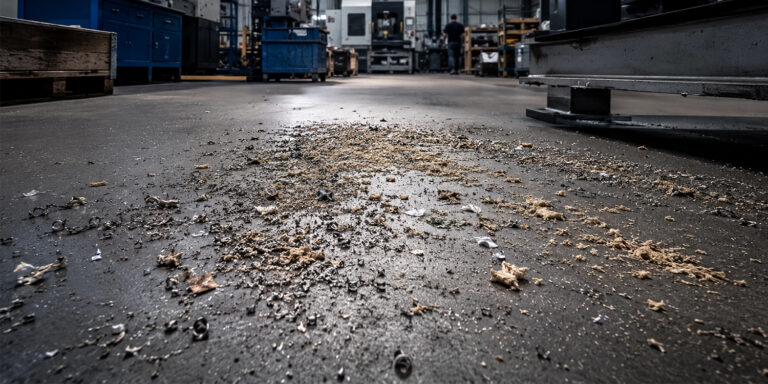
Coarse dirt and heavy dust
For slag, ash clumps, stones, refractory debris, and heavy abrasive residues from operations and maintenance.
Explosion Protection for Flammable Dusts
For coal, biomass, or substitute fuel dusts, if the risk assessment indicates the presence of explosive atmospheres.
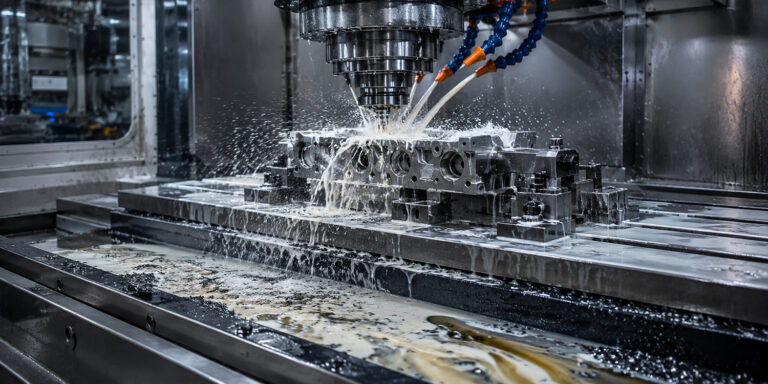
Oily Liquids in Maintenance
For spilled or extracted oils and liquids on turbines, pumps, and in workshop areas—not for oil mist separation.
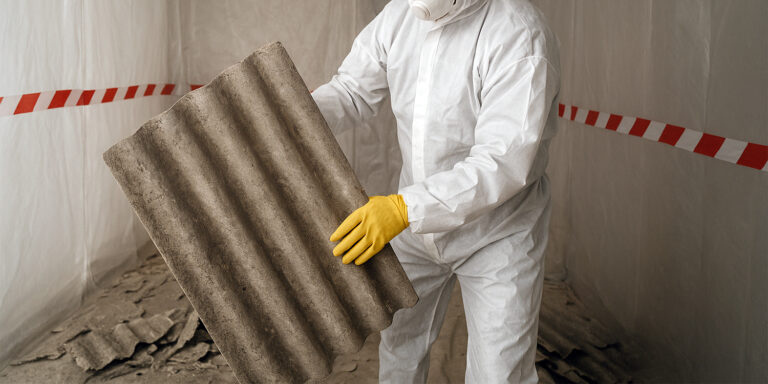
Asbestos During Renovation and Demolition
For professional work on older insulation, seals, or building components when asbestos has been detected and special procedures apply.
Is your process not listed?
Please provide details regarding the fuel, material flow, temperature conditions, material quantity, point of origin, and plant environment. We will determine which process solution is appropriate and whether stationary monitoring, centralized operational cleaning, or mobile collection is required.
Frequently Asked Questions About Exhaust Systems in Power Plants (FAQ)
What types of dust and residues are produced in power plants?
Depending on the fuel and the plant component, the following are produced: coal, biomass, or substitute fuel dust; fly ash and bottom ash; soot; slag; limestone; gypsum; sorbents; refractory residues; metal particles; and, during maintenance, oily liquids as well. Gas-fired plants often produce less fuel dust, but still require cleaning and maintenance.
Is it okay to vacuum up hot or smoldering ashes?
No, not with a standard extraction system. Temperature, hot spots, pressure, the absence of gas, and clearance must be verified before extraction begins. Specially designed systems and tailored work procedures are required for hot materials.
When is a stationary solution appropriate, and when is a mobile solution appropriate?
Stationary systems are suitable for recurring emissions and fixed suction points on conveyor systems, transfer points, silos, or ash handling areas. Mobile industrial vacuum cleaners are useful for inspections, maintenance, troubleshooting, and changing work locations. Large buildings can also be served by a central vacuum duct network.
Does every power plant require an explosion-proof exhaust system?
No. Explosion protection is required if the risk assessment identifies a hazardous explosive atmosphere. The determining factors are substance characteristics, release, zone classification, ignition sources, and electrostatic properties—not merely the designation “power plant.”
What is the difference between industrial exhaust extraction and flue gas cleaning?
Operational and source extraction captures dust and residues from machinery, transfer points, workstations, or during cleaning. Process-based flue gas cleaning treats the boiler’s main exhaust gas stream using large-scale separation and cleaning processes. These tasks should not be equated.
Ihr Partner für industrielle Absauglösungen
EVOTEC develops stationary extraction systems, centralized cleaning networks, and mobile solutions for demanding industrial processes. From a single transfer point to a large power plant complex, material flow, hazards, piping networks, filtration, discharge, and maintenance are all considered together.
Commissioning
Maintenance
Which exhaust extraction solution is right for your power plant area?
Please provide us with the power plant type, fuel, material, temperature conditions, particle size, bulk density, moisture content, material quantity, location of use, operating duration, and fire and explosion safety requirements. EVOTEC will assist you with classification and design.

Robin Buschbaum
Sales D/A/CH
Specialist for extraction technology
vertrieb@evo-products.de
02642 9373-53

Lars Blankenburg
Sales
lars.blankenburg@evo-products.de
02642 9373-10

Asim Zaman-Pahlke
Export Sales
export@evo-products.de
02642/9373-15