


Vacuum Technology for Silos and Agriculture – Safely Collecting Dust from Grain, Feed, and Bulk Materials
Home page » Silos and Agriculture
Vacuum technology for receiving, conveying, filling, processing, and cleaning—tailored to bulk materials and specific applications
In silos and agricultural facilities, dust and residues are generated during receiving, conveying, filling, dosing, grinding, mixing, discharge, packaging, maintenance, and cleaning. Grains, flour, animal feed, seeds, pellets, plant fibers, mineral components, and foreign materials behave very differently in these processes. The fine particle content, moisture content, bulk density, abrasiveness, and potential flammability must therefore be evaluated on a material- and process-specific basis.
EVOTEC develops stationary collection systems, centralized cleaning networks, and mobile industrial vacuum cleaners for these tasks. On this industry page, the relevant applications lead to the appropriate solutions; the specific equipment selection is made on the linked process pages.
Your benefits in silo and agricultural operations:
Detect dust at transfer points and processing stations
Material handling, conveying, dosing, mixers, mills, and filling systems are equipped with appropriately designed connections, enclosures, or hoods.
Pick up debris without stirring up dust
Centralized or mobile vacuum systems facilitate the regular cleaning of floors, platforms, areas around machinery, and hard-to-reach surfaces.
Clearly separate exterior cleaning from work inside the silo
Work inside a silo requires additional authorization, protection against material ingress and startup, appropriate access points, monitoring, and a rescue plan.
In which silo or agricultural process does dust or bulk material generate at your facility? Please provide us with the material, moisture content, fine particle content, bulk density, particle size, quantity, conveying distance, operating time, and any applicable fire, explosion (EX), and access requirements.
What types of dust and residues are generated in silos and agricultural facilities?
The range of materials includes everything from fine organic grain and feed dusts, flour, seed abrasion, broken pellets, and plant fibers to mineral additives, soil components, foreign objects, and coarse materials. Moist or spoiled residues may also stick, clump, or introduce biological contaminants. The risk assessment is therefore based on the actual material being processed.
Organic grain and feed dusts
Respirable and alveolar dust particles can be generated during grain reception, conveying, milling, mixing, pelletizing, and filling. Dry, finely divided organic dusts may also be flammable. Dust behavior and explosion parameters depend, among other factors, on the material, particle size, and moisture content.
Mineral components, foreign matter, and coarse solids
Mineral feed, soil deposits, sand, small stones, metal parts, husks, and straw and pellet residues place varying degrees of strain on pipes, filters, and collection bins. Heavy or abrasive components may require pre-separation and wear-resistant parts; fibrous or compressible materials affect discharge and tank capacity.
The BAuA guidance document on grain and feed dust describes the health implications of these exposures. For areas at risk of dust explosions, TRGS 722 requires cleaning methods that do not stir up dust deposits.
Where do dust emissions and deposits occur?
Typical sources include tipping points, receiving hoppers, elevators, conveyor belts, and screw conveyors; transfer points; silo inlets; screens; mills; mixers; dosing stations; discharge points; and bagging systems. Dust can also accumulate on support structures, cable trays, platforms, machinery, and elevated surfaces. Therefore, systematic dust collection and scheduled operational cleaning complement each other.
Receiving, Handling, Transfer, and Filling
Free fall, high transfer speeds, and leaky transfer points release particularly large amounts of dust. Enclosures, short drop distances, adjusted conveyor speeds, and extraction points located close to the source reduce dust dispersion. When filling silos, displaced air, fluctuating fill levels, and peak loads must be taken into account.
Grinding, Mixing, Dosing, Discharge, and Cleaning
Mills, crushers, mixers, pelletizers, dosing stations, and bagging stations generate continuous or batch-based loads. Discharge and emptying can release compressed or agglomerated materials. Deposits are removed by vacuuming or appropriate wet cleaning; dry sweeping and blowing only redistribute the dust.
How can bulk material dust be safely collected and removed?
Collection, piping network, pre-separation, filtration, collection hoppers, and discharge form an integrated system. Material behavior, fine particle content, moisture content, bulk density, abrasiveness, flammability, and the actual volumetric flow rate determine the system design. Organic Fine Dust, heavy contaminants, and moist residues must not be treated as a single material stream across the board.
Data collection close to the source and closed-loop transfers
Effective collection begins as close as possible to the point of discharge and generation. Enclosures and designated extraction connections limit the required air volume. Pipe cross-sections and flow velocity are selected so that material does not accumulate and the product is not unnecessarily extracted from the process.
Compressible and fibrous materials
Husk, straw particles, broken pellets, and other lightweight materials can compact, form bridges, or clog filters and discharge systems. The collection capacity, separation, compaction, and discharge must be appropriate for the material and the disposal method.
Coarse, heavy, or abrasive particles
Sand, small stones, metal parts, and mineral impurities add weight and cause wear. Pre-separators, sturdy pipe elbows, and suitable collection containers reduce the load on the fine dust filter stage. The emptying process is tailored to bulk density, container weight, and internal logistics.
Low-dust discharge and controlled cleaning
Filter cleaning and container emptying must not release the collected dust back into the air. The cleaning method, frequency, and responsible party are specified and include areas that are difficult to see, located at heights, or hard to reach. Unusual leaks or spills are documented promptly.
Important: Do not use compressed air to disperse deposits. In the case of flammable dusts, stirring up the dust can create an explosive atmosphere; even without an explosion hazard, the risk of inhalation exposure increases.
Stationary collection, centralized cleaning, or mobile collection?
Stationary Process Exhaust System
Stationary systems are suitable for recurring emissions at receiving points, conveyor systems, mills, mixers, transfer points, silo filling, discharge, and filling. The collection system, piping network, filters, discharge, and control system are integrated with the process.
Central Facility Cleaning
A fixed suction pipe network with distributed connection points facilitates the scheduled cleaning of large facilities, platforms, galleries, and areas surrounding machinery. The design is determined by factors such as simultaneous operations, hose lengths, differences in height, material volumes, and waste disposal logistics.
Mobile industrial vacuum cleaners
Mobile vacuum cleaners are suitable for cleaning at various locations, maintenance, leak cleanup, and spot cleanup outside enclosed silo areas. The unit, filter, pre-separator, hose, and accessories must be appropriate for the material and the risk assessment.
Plan interior cleaning and silo work separately
Working inside silos, containers, and confined spaces is not your typical vacuuming job. Before beginning, it is necessary to define, among other things, authorization, safe isolation of the material being handled and moving parts, access, monitoring, clearance measurements if necessary, and rescue procedures. The choice of vacuum cleaner is only one part of this safety plan.
Production exhaust systems, centralized plant cleaning, mobile maintenance technology, and work inside silos are considered together but kept separate in terms of function and safety. This ensures that each solution remains tailored to the emission source, material flow, and operating conditions.
What does the interpretation depend on?
To ensure a robust design, we require information on the material, moisture content, particle size distribution, bulk density, compressibility, abrasiveness, temperature, flammability, material quantity, and operating duration. Equally important are the collection geometry, conveying paths, simultaneous operation, cleaning procedures, discharge, structural conditions, and existing hazard and explosion protection documentation.
Bulk Material, Fine Particles, and Material Behavior
Grains, flour, animal feed, seeds, pellets, husks, and mineral additives have different flow, compaction, and dust characteristics. Safety data, material samples, and, if necessary, dust analyses help determine the appropriate filters, pre-separation systems, piping networks, and discharge systems.
Operating Mode, Explosion Protection, and Safe Discharge
Continuous operation, batch processing, peaks during filling or discharge, and cleaning intervals affect airflow and reserve capacity. For combustible dusts, explosion parameters, zones, ignition sources, and protective measures are evaluated. Filter changes and container emptying must be carried out with minimal dust generation and in an ergonomically sound manner.
The design is not based solely on the nominal air flow rate. The key factor is the interplay of collection, material transport, separation, filtration, discharge, fire and explosion protection, and safe maintenance.
Which extraction solution is right for your silo or agricultural process?
Please provide us with details on the bulk material, moisture content, fine particle fraction, bulk density, process step, material quantity, conveying distance, operating time, and applicable safety requirements. Based on this information, EVOTEC will develop a well-defined concept for stationary collection, centralized cleaning, or mobile collection.
Dust explosions and silo work are separate hazards
Fine combustible dusts can form an explosive atmosphere when stirred up by air. Whether explosion protection is required depends on substance data and a risk assessment; dust deposits are not automatically explosive. Separately, special requirements regarding clearance, access, safety measures, monitoring, and rescue apply to work in silos and confined spaces. TRGS 721, TRGS 722, and DGUV Rule 113-004 provide important guidelines in this regard. A suitable industrial vacuum cleaner does not replace either the clearance to enter or a rescue plan.
PROCESS SOLUTIONS
Relevant Vacuum Applications for Silos and Agriculture
The following process pages provide in-depth information on typical material-handling and cleaning tasks and direct you to the appropriate equipment for each. Select the application that best matches your bulk material and intended use.

Fine dust extraction
For fine dust from grains, flour, animal feed, and seeds at transfer points, processing stations, and during plant cleaning.
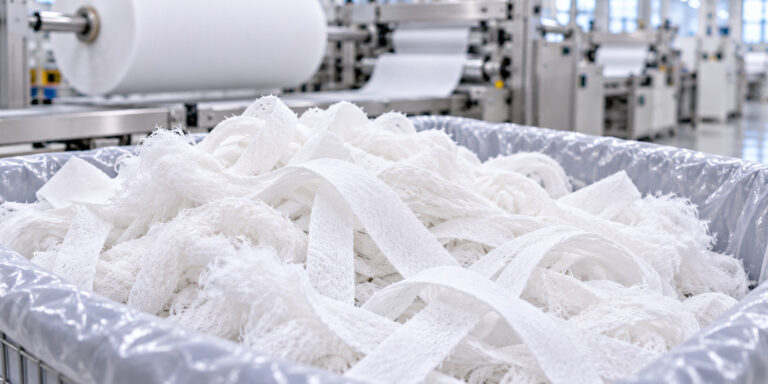
Compressible fabrics
For chaff, broken pellets, plant fibers, and other lightweight materials that can compact or form bridges.
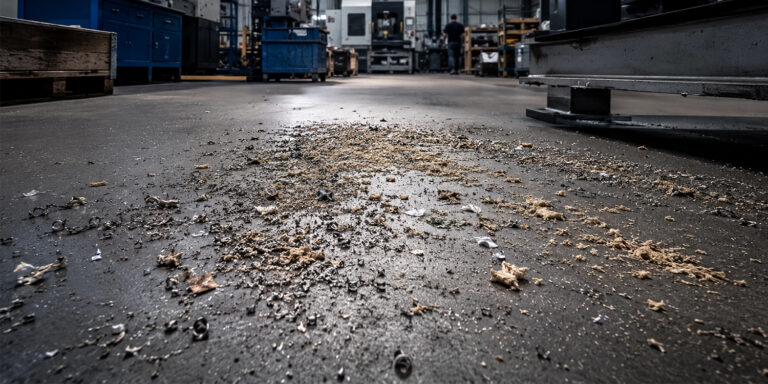
Coarse dirt and heavy residues
For pellet residue, grains, foreign objects, encrustations, and heavy deposits during cleaning and maintenance.

Abrasive dusts
For sand, soil particles, mineral aggregates, and other materials with a high potential for wear.
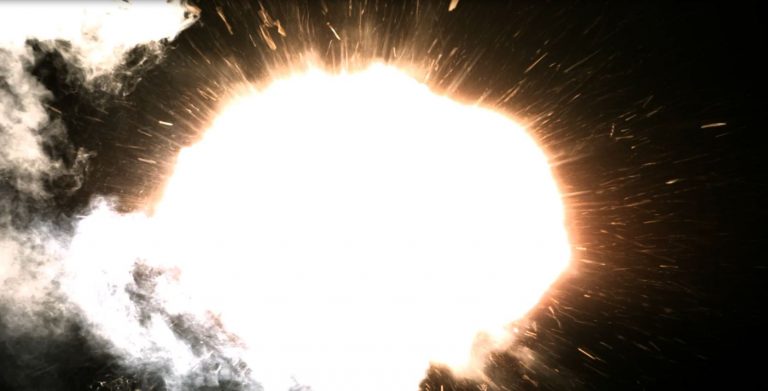
Explosion Protection for Flammable Dusts
For organic Fine Dusts, when substance data and a hazard assessment indicate the presence of an explosive atmosphere.
Is your process not listed?
Please provide us with details regarding the material, moisture content, fine particle content, bulk density, quantity, conveying distance, cleaning requirements, as well as any fire, explosion (EX), or access requirements. We will determine which process solution is appropriate and whether stationary collection, centralized cleaning, or mobile collection is required.
Frequently Asked Questions About Exhaust Systems for Silos and in Agriculture (FAQ)
What types of dust are typically generated in silos and agricultural facilities?
Typical contaminants include dust from grains, flour, animal feed, and seeds; pellet abrasion; husks and plant fibers; as well as mineral components, foreign matter, and coarse residues. The composition and associated hazards depend on the specific material being processed, its moisture content, and the proportion of fine particles.
Why can grain and feed dusts be explosive?
Finely dispersed combustible dust can form an explosive mixture when stirred up by air and can be ignited by an effective ignition source. Whether this hazard exists is determined based on substance data, explosion parameters, and the operational risk assessment.
When is a stationary, centralized, or mobile solution the best choice?
Stationary systems capture recurring emissions from fixed processes. Central vacuum systems facilitate the regular cleaning of larger facilities with multiple extraction points. Mobile industrial vacuum cleaners are suitable for use in various locations, for maintenance, and for spot cleaning.
Can compressed air be used for cleaning?
Dry blowing and sweeping spread dust and can stir up deposits. TRGS 722 specifies low-dust methods such as vacuuming or wet cleaning; the type, scope, frequency, and responsibility for cleaning should be defined by the company.
What are the guidelines for cleaning inside a silo?
Working inside a silo is not a routine cleaning task. Before entering, it is necessary—among other things—to safely isolate the feed system and moving equipment, organize access and monitoring, check the atmosphere if necessary, and establish appropriate rescue measures. The company’s risk assessment in accordance with DGUV Rule 113-004 is decisive.
Ihr Partner für industrielle Absauglösungen
EVOTEC develops stationary extraction systems, centralized cleaning networks, and mobile solutions for silos and agricultural operations. From receiving and conveying through grinding, mixing, and filling to cleaning and maintenance, material flow, filtration, discharge, wear, and fire and explosion protection are all considered together.
Commissioning
Maintenance
Which extraction solution is right for your silo or agricultural process?
Please provide us with information on the bulk material, moisture content, fine particle content, bulk density, process, material quantity, conveying distance, operating time, and applicable safety requirements. EVOTEC will assist you with classification and design.

Robin Buschbaum
Sales D/A/CH
Specialist for extraction technology
vertrieb@evo-products.de
02642 9373-53

Lars Blankenburg
Sales
lars.blankenburg@evo-products.de
02642 9373-10

Asim Zaman-Pahlke
Export Sales
export@evo-products.de
02642/9373-15