


Extraction Technology for Waste-to-Energy Plants – Safely Collecting Dust, Ash, and Flue Gas Cleaning Residues
Home page » Waste Incineration
Extraction technology for waste reception, incineration, flue gas cleaning, and residual material handling—tailored to the material and plant area
Waste-to-energy plants generate a wide variety of dusts and residues: during delivery and bunker operation, at the feeding and transfer points, in the boiler and flue gas cleaning areas, and during the discharge of slag, boiler ash, fly ash, and reaction products. Their composition, temperature, fine particle content, moisture content, bulk density, and hazardous substances can vary significantly.
EVOTEC develops stationary collection systems, centralized cleaning networks, and mobile industrial vacuum cleaners for these tasks. Workstation-specific extraction and facility cleaning complement the plant’s process-based flue gas cleaning system, but do not replace it.
Your benefits at waste-to-energy plants:
Track Emissions at Transfer Stations and Recycling Centers
Feeding, conveying, dosing, and ash handling systems are equipped with appropriately designed connections, enclosures, or hoods.
Collect deposits in a controlled manner with minimal dust
Centralized or mobile vacuum systems support the scheduled cleaning of floors, platforms, the boiler house, and the areas surrounding the facilities.
Assess hot, abrasive, and contaminated materials separately
Temperature, chemical composition, bulk density, abrasiveness, flammability, and disposal method determine the safety and plant design concept.
In which part of your facility do dust, ash, or flue gas cleaning residues occur? Nennen Sie uns Stoff, Herkunft, Temperatur, Feinanteil, Schüttdichte, Menge, Betriebsdauer und vorhandene Gefahrstoff-, Brand- oder EX-Anforderungen.
What types of dust and residues are produced during waste incineration?
The composition of the material changes along the length of the facility. In the receiving and storage area, the material consists primarily of dusty waste, abrasion residue, fibers, and potential biological contaminants. After incineration, slag, boiler ash, fly ash, and flue gas cleaning residues are produced. The latter may contain, among other things, heavy metals, salts, and spent reagents, and must be handled in accordance with the risk assessment.
Waste dust, abrasion, and hopper deposits
During unloading, handling, crushing, conveying, and feeding, heterogeneous dust, fibers, paper and plastic abrasion particles, and coarse materials may be released. Moisture and organic components alter the flow behavior and can also promote the formation of aerosols contaminated with microorganisms.
Slag, boiler ash, fly ash, and reaction products
Slag and grate ash contain coarse, heavy, and often abrasive components. Boiler ash, fly ash, and dry flue gas cleaning residues are significantly finer and may contain higher concentrations of contaminants. Hydrated lime, sodium bicarbonate, or activated carbon from exhaust gas treatment must not be mixed with other residues without first undergoing material testing.
The BAuA study on dust exposure in waste-to-energy plants reveals varying exposure conditions in different areas of the facilities. DGUV Rule 114-602, “Waste Management Industry—Part 2: Waste Treatment,” describes hazards and protective measures specific to the industry.
Where do dust emissions and deposits occur?
Typical sources include the delivery area, storage silos, processing and feeding areas, conveyors and transfer points, boiler cleaning and inspection, as well as discharge points, residual material silos, big-bag stations, and loading points for slag, ash, adsorbents, and reaction products. Dust also accumulates on platforms, piping, cable runs, and hard-to-reach structures.
Receiving, Storage, Processing, and Feeding
Open dumping areas, grab operations, shredding, conveyor systems, and free-fall heights release dust and coarse material. Enclosures, defined transfer points, and collection close to the source limit the spread. Cleaning routes must be coordinated with vehicle traffic, fire safety, and plant access points.
Boilers, Flue Gas Cleaning, and Waste Material Handling
Boiler dust and ash may be released during inspections, cleaning, and leaks. The dosing and discharge of lime, sodium bicarbonate, activated carbon, and reaction products generate fine material streams. Temperature, chemistry, potential corrosion, and low-dust discharge are particularly important here.
How can dust, ash, and residual materials be safely collected?
Collection, piping, pre-separation, filtration, collection bins, and discharge form a complete system. The system’s design is determined by the material’s origin, temperature, fine particle content, bulk density, abrasiveness, moisture content, and hazardous substances. Hot ash, dry flue gas cleaning residues, and heterogeneous bunker dust are not all handled by the same system across the board.
Data collection close to the source and frequent data transfers
Fixed extraction points are located as close as possible to conveyors, dosing units, discharge points, and transfer points. Enclosures limit the amount of air required and prevent fine residues from entering work areas. Pipe cross-sections and conveyor speeds are optimized to minimize the risk of buildup and wear.
Pre-separation for slag and coarse material
Heavy slag particles, metal fragments, and mineral residues can place a heavy burden on filters and piping systems. Appropriate pre-separators and robust collection stages reduce the load on fine-dust filtration. Containers and discharge systems must take weight, temperature, and disposal methods into account.
Fine-particle filtration for ash and reagents
Fly ash, boiler dust, lime, sodium bicarbonate, activated carbon, and reaction products require a material-specific filtration concept. The filter medium, cleaning method, leak testing, and differential pressure monitoring depend on particle size, chemical composition, moisture content, temperature, and exposure requirements.
Low-dust discharge and separated material streams
The captured material must not be released again during filter cleaning or container emptying. Interchangeable containers, big bags, or closed discharge systems are selected based on the type of residue and the disposal method. Incompatible, hot, or highly contaminated materials require separate systems.
Important: Hot or smoldering residues must not enter a vacuum system that is not designed for this purpose. Temperature clearance, fire load, ignition sources, and material composition must be checked before collection.
Stationary collection, centralized cleaning, or mobile collection?
Stationary Process Exhaust System
Stationary systems are suitable for recurring emissions at conveyors, dosing stations, transfer points, and ash and residual material discharge points. The collection system, piping network, filters, discharge system, and control system are integrated with the respective process and safety interlocks.
Central Facility Cleaning
A fixed suction pipe network with distributed connection points facilitates the regular cleaning of boiler rooms, platforms, galleries, and the areas surrounding the facilities. The design is determined by factors such as simultaneous operations, hose lengths, differences in elevation, material volumes, and safe disposal.
Mobile industrial vacuum cleaners
Mobile vacuum cleaners are suitable for cleaning at various locations, maintenance, and spot cleaning. The unit, filter, pre-separator, hose, and accessories must be compatible with the debris being collected. For hot, smoldering, or chemically reactive materials, an explicit suitability test is required.
Special Material Flows and Audit Work
Flue gas cleaning residues, contaminated dust, activated carbon, dry reagents, and maintenance materials may require separate facilities or strictly regulated handling procedures. Work in boilers, tanks, and confined spaces also requires a dedicated clearance, access, and rescue plan.
Process extraction, centralized system cleaning, and mobile maintenance technology are planned together but remain functionally separate. This ensures that collection, filtration, temperature limits, discharge, and operation are tailored to the specific task at hand.
What does the interpretation depend on?
A robust design requires information on the material’s origin, composition, temperature, particle size, bulk density, abrasiveness, moisture content, flammability, material quantity, and operating duration. Equally important are the capture geometry, duct length, simultaneous operation, cleaning procedures, emptying, disposal route, and existing risk assessments.
Fabric, Temperature, and Chemical Exposure
Bunker dust, slag, boiler ash, fly ash, lime, sodium bicarbonate, activated carbon, and reaction products all behave differently. Safety data, waste analyses, and material samples help determine the appropriate filters, materials, wear protection, sealing, and discharge methods.
Operating Mode, Load Cases, and Safe Discharge
Continuous emissions, batches, maintenance, malfunctions, and cleaning peaks affect airflow and reserve capacity. Filter changes, container emptying, contamination prevention, fire safety, and safe access are also taken into account during the planning phase.
What matters is not just the nominal air flow rate, but the interplay of collection, material transport, pre-separation, filtration, temperature and fire management, discharge, and safe maintenance.
Which extraction solution is right for your facility?
Please provide us with the material, origin, temperature, particle size distribution, bulk density, material quantity, operating duration, and any applicable safety requirements. Based on this information, EVOTEC will develop a well-defined concept for stationary collection, centralized cleaning, or mobile collection.
Clearly Distinguish Between Workplace Exhaust Systems and Flue Gas Cleaning
Flue gas cleaning is used to reduce emissions from combustion through process engineering and is subject, among other things, to the 17th BImSchV. This should be distinguished from dust exposure during cleaning, maintenance, residue handling, and leaks. These activities are assessed as part of the hazardous substance assessment in accordance with TRGS 400 and TRGS 500. An on-site cleaning system does not replace either flue gas cleaning or substance-specific protective measures for contaminated residues.
PROCESS SOLUTIONS
Relevant Exhaust Systems for Waste-to-Energy Plants
The following process pages provide detailed information on typical emissions and purification tasks and direct you to the appropriate equipment for each. Select the application that best matches your material and plant area.

Fine dust extraction
For boiler dust, fly ash, dry reagents, and fine flue gas cleaning residues.
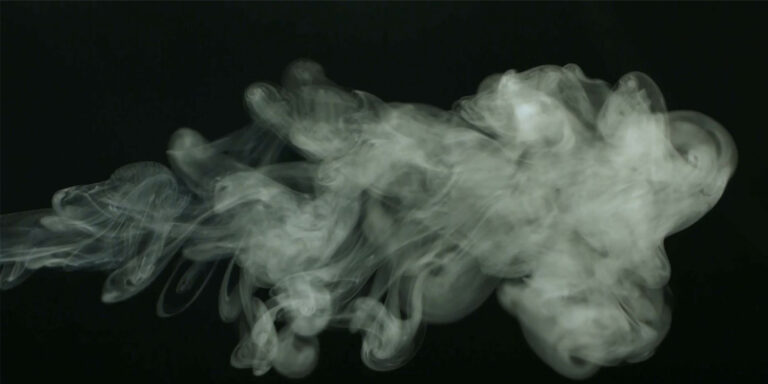
Fumes, Odors, and Smoke
For suitable gaseous and particulate emissions from thermal processes, heat transfer points, and maintenance areas—following material testing.
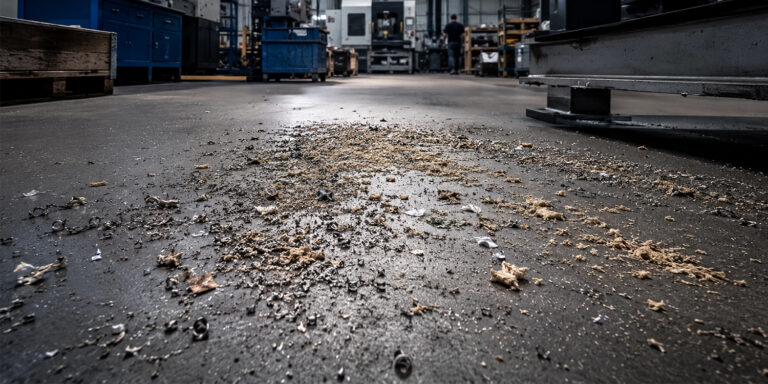
Coarse dirt and heavy residues
For slag, metal fragments, scale, and heavy residues during cleaning and maintenance.

Abrasive dusts
For slag, boiler ash, and mineral substances with a high potential for wear.
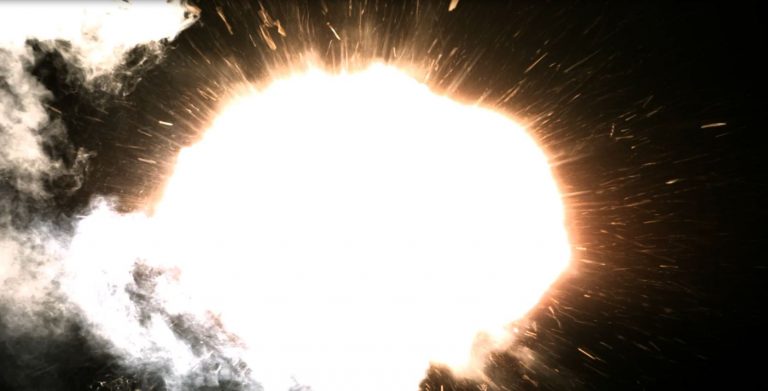
Explosion Protection for Flammable Dusts
For activated carbon and other combustible Fine Dusts, if the risk assessment indicates the presence of an explosive atmosphere.
Is your process not listed?
Please provide us with details regarding the material, origin, temperature, particle size, bulk density, quantity, cleaning task, and any hazardous material, fire, or EX requirements. We will determine which process solution is appropriate and whether stationary collection, centralized cleaning, or mobile collection is required.
Frequently Asked Questions About Exhaust Systems in Waste-to-Energy Plants (FAQ)
What types of dust and residues are typically produced in waste-to-energy plants?
Depending on the plant area, waste and bunker dust, fibers and coarse material, slag, boiler ash and fly ash, as well as residues from lime, sodium bicarbonate, activated carbon, and other flue gas reagents are generated. The composition and hazards must be assessed for the specific material stream.
Does an extraction system replace flue gas cleaning?
No. Process-based flue gas cleaning reduces emissions from combustion. Workplace exhaust systems and operational cleaning, on the other hand, capture dust and deposits released at transfer points, discharge points, during leaks, cleaning, and maintenance. Both systems serve different purposes.
When is a stationary, centralized, or mobile solution the best choice?
Stationary systems are suitable for recurring emissions at fixed locations. Central vacuum systems facilitate the regular cleaning of large areas within a facility. Mobile industrial vacuum cleaners are used for changing work locations, maintenance, and spot cleaning.
Can hot ashes be vacuumed up with an industrial vacuum cleaner?
Only if the entire system is specifically designed to handle the material, temperature, and potential hot spots. Before operation, the temperature conditions, fire load, and ignition sources must be determined. Unsuitable vacuum cleaners can ignite filters, containers, or suction lines.
Does every waste-to-energy plant require explosion-proof suction technology?
No. Explosion protection is based on a risk assessment of the actual substance and operating conditions. Activated carbon or other combustible Fine Dusts may be relevant; mineral ashes are not explosive simply because of their name.
Ihr Partner für industrielle Absauglösungen
EVOTEC develops stationary extraction systems, centralized cleaning networks, and mobile solutions for waste-to-energy plants. From delivery and feeding through boiler and flue gas cleaning areas to slag, ash, and reagent handling, material flow, temperature, filtration, wear, discharge, and maintenance are all considered together.
Commissioning
Maintenance
Which extraction solution is right for your facility?
Please provide us with information on the material, origin, temperature, particle size distribution, bulk density, material quantity, operating time, and any applicable safety requirements. EVOTEC will assist you with classification and design.

Robin Buschbaum
Sales D/A/CH
Specialist for extraction technology
vertrieb@evo-products.de
02642 9373-53

Lars Blankenburg
Sales
lars.blankenburg@evo-products.de
02642 9373-10

Asim Zaman-Pahlke
Export Sales
export@evo-products.de
02642/9373-15